






川普再提「必須擁有格林蘭」:一場牽動北極戰略、主權與盟友信任的風暴


分享到微信
請掃描以上二維碼
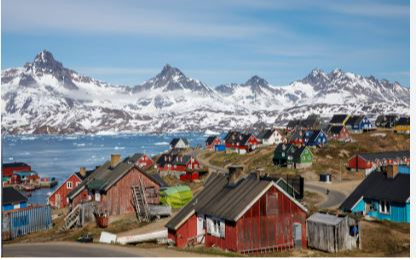
2026年1月9日,美國總統川普在白宮公開表示,美國「必須」
一、為何格林蘭突然成為「必爭之地」?
格林蘭的關鍵不是人口或市場,而是地理。它位於北美與歐洲之間的
川普此次措辭更強硬之處,在於他不只談「合作」,而是把「擁有」
二、格林蘭「屬於誰」:不是一句話能改變的主權現實
格林蘭是「丹麥王國」的一部分,但它同時是高度自治的政治體。丹
這意味著:格林蘭的未來走向,並非外部強權用「買賣」二字即可定
三、從「買島」到「付錢說服」:引爆歐洲盟友警戒
爭議之所以升溫,還在於外媒披露白宮內部曾討論以「支付款項」等
同時,路透也指出丹麥方面再度重申「格林蘭不出售」,而美方高層
對歐洲而言,問題不只在格林蘭,而在北約信任:若以威脅或單邊壓
四、格林蘭的聲音:不願被「代言」
在各方拉扯之際,格林蘭自身也釋放訊號。半島電視台報導引述格林
這句話的弦外之音很清楚:格林蘭不願只在丹麥與美國之間被動成為
五、最可能的結局:不是「併吞」,而是「更深合作」與「更長博弈
從制度與國際法理看,格林蘭被「直接買走」幾乎不具可行性;但在
Trump Renews Push for Greenland, Rekindling a High-Stakes Arctic Dispute
On January 9, 2026, President Donald Trump reignited controversy by arguing the United States “needs to own” Greenland, framing the issue as a national-security imperative tied to deterring Russia and China in the Arctic. In remarks at the White House, he suggested Washington should focus on defending “ownership” rather than “leases,” despite the long-standing U.S. military presence already on the island. 
The problem is that Greenland is not a piece of real estate waiting for a buyer. It is a self-governing territory within the Kingdom of Denmark, and Denmark’s own official description of Greenland’s status notes that the preamble to the 2009 Self-Government Act recognizes Greenlanders as a people with a right to self-determination under international law. In other words, the island’s future is inseparable from Greenland’s own political will and constitutional arrangements with Denmark. 
Strategically, the Arctic logic is real—but it cuts against the need for annexation. The United States already operates under a Cold War-era framework: the 1951 U.S.–Denmark agreement on the defense of Greenland provides the legal basis for American defense cooperation and military activities there. That existing pathway makes it possible to expand security cooperation without rewriting borders—precisely why Trump’s language about “taking” Greenland alarms European capitals. 
Allies moved quickly to tamp down the rhetoric. Italy’s Prime Minister Giorgia Meloni publicly dismissed the prospect of any U.S. military move on Greenland and urged strengthening NATO’s Arctic posture instead—signaling that even friendly governments view coercive talk as dangerous for alliance unity. 
Ultimately, the Greenland dispute is less about whether the Arctic matters (it does) and more about how the West manages it: through strengthened NATO coordination and negotiated cooperation, or through unilateral claims that risk turning a strategic challenge into an alliance crisis
分享到微信
請掃描以上二維碼