
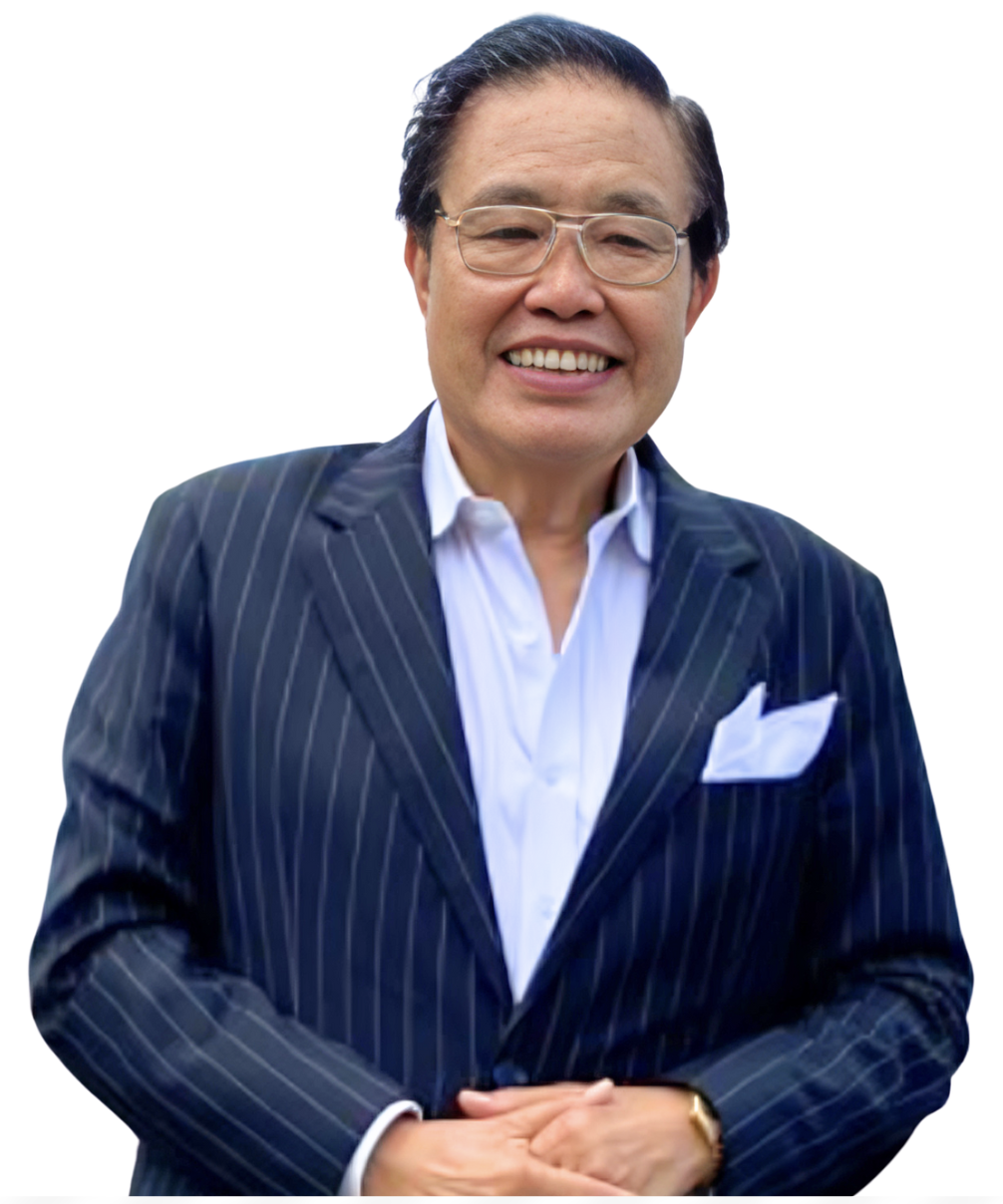





華人在美自處之道


分享到微信
請掃描以上二維碼

華人在美自處之道
(一篇寫給在異鄉打拼的同路人)
在美國,華人常常被問到一個問題:你們要怎麼在這裡安身立命?其
所謂「自處之道」,並不是退讓、也不是逞強,而是在自由的社會裡
第一,要把安全感建立在規則上。
美國是一個重制度、重程序的國家。對華人而言,真正可靠的不是人
第二,要把專業做成信用。
在這裡,信用比面子重要。你說的話是否算數、你做的事能否交代、
第三,融入不是同化,而是學會雙文化的切換。
融入美國社會,不是要我們否定自己的文化,而是要我們學會在不同
第四,面對偏見,要不卑不亢,走正規、留證據。
偏見與歧視在任何社會都可能存在。遇到不公平,最重要的是冷靜與
第五,家庭與下一代,是華人真正的未來。
很多華人在美國的成功,最終是為了孩子。孩子在這片土地長大,既
第六,社區要抱團,但不能封閉。
華人互助很重要,但若只在自己的圈子裡打轉,就會失去影響力。加
第七,公共參與是最有效的保護。
在美國,投票與制度就是力量。公民要投票、要了解地方議題、要和
走到最後,華人在美「自處之道」其實可以濃縮成三句話:
守規矩,才能走得遠。
有專業,才有尊嚴。
能融入,才有力量;不忘本,才有方向。
在異鄉打拼,我們都曾孤獨、都曾害怕,也都曾在黑夜裡問自己:我

The Way Forward for Chinese Americans
A practical and dignified path for living well in the United States
Living in America, many Chinese immigrants and Chinese Americans face the same quiet question: How do we truly belong here, build a stable life, and be respected—without losing who we are?
The answer is not a slogan. It is a long road: from arriving, to standing firmly; from surviving, to thriving; from being “newcomers,” to becoming an undeniable part of the nation’s fabric.
The “way forward” is neither retreat nor aggression. It is the art of living with dignity in a free society—anchored in law, strengthened by competence, connected through community, and guided by roots.
First, build your security on the rule of law.
America is a country that runs on systems, procedures, and accountability. For Chinese Americans, the most reliable protection is not personal connections, but legal clarity. Whether you run a business, buy property, hire employees, or invest—contracts must be clear, taxes must be clean, and insurance must be adequate. Many people don’t fail because they lack ability; they suffer because they underestimate rules and overlook details. Understanding the system is like wearing invisible armor in uncertain times.
Second, turn professionalism into credibility.
In America, credibility matters more than face. Do you keep your word? Do you deliver on time? Can your work stand up to scrutiny? Over time, these habits become your reputation—and your reputation becomes your capital. Chinese communities are known for hard work, but hard work becomes power only when paired with transparency, reliability, and consistent quality. A strong name is not built by advertising—it is built by years of responsibility.
Third, integration is not assimilation—it is bilingual, bicultural skill.
To integrate into American society does not mean erasing your culture. It means learning how to switch effectively between worlds. English is not only for daily conversation; it is for negotiation, writing letters, presenting arguments, defending your rights, and participating in civic life. Understanding American cultural logic—respect for boundaries, evidence, process, and fairness—prevents misunderstandings and increases effectiveness. You don’t need to become someone else, but you must learn how to be understood.
Fourth, face bias with calm strength: document, follow the process, and stand firm.
Prejudice can exist in any society. When unfairness happens, the strongest response is disciplined action: protect your safety, stay calm, keep records, preserve evidence, and use proper channels—HR systems, school policies, community organizations, and legal resources when needed. Emotion is human, but results come through structured action. True strength is not loud anger; it is the ability to walk truth through the system until justice is reached.
Fifth, family and the next generation are the real future.
For many Chinese immigrants, success ultimately means giving children a better life. Children growing up here need both roots and wings. Language, family stories, and values are the roots; confidence, communication, leadership, and civic awareness are the wings. Raise children to be “global citizens with deep roots”—proud of where they come from, and fully capable of navigating where they live.
Sixth, build community—without becoming isolated.
Mutual support inside the Chinese community is essential, but isolation limits influence. Join the broader community: PTA groups, chambers of commerce, neighborhood associations, charities, professional organizations. Meet people outside your circle. Serve the community you live in. When you contribute, you become visible; when you are connected, you are protected. Unity should create strength—not walls.
Seventh, civic participation is the most effective protection.
In the United States, voting and civic engagement are real power. Citizens should vote, understand local issues, and communicate with elected officials. Non-citizens can still attend public meetings, volunteer, support advocacy, and stay informed about policy. Politics is not distant noise—it shapes daily life: public safety, education, taxes, transportation, business environment, and more. When Chinese Americans participate, our rights and voices receive serious attention.
In the end, the way forward can be captured in three sentences:
Respect the rules, and you can go far.
Master your craft, and you earn dignity.
Integrate to gain strength—remember your roots to keep your direction.
Many of us have known loneliness, uncertainty, and the feeling of standing in a new land asking, How far can I really go? But if we walk the right path, keep our integrity, strengthen our community, and lift the next generation, Chinese Americans will not merely “live” in America—we will stand tall, contribute fully, and shine with dignity.
分享到微信
請掃描以上二維碼