







華亞裔少數族裔——風聲鶴唳


分享到微信
請掃描以上二維碼
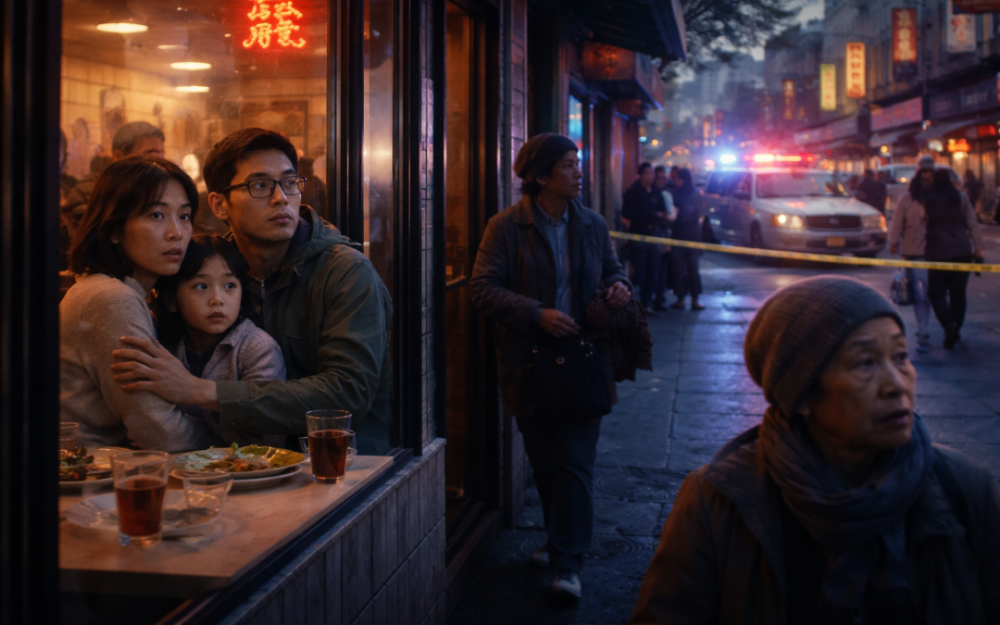
這幾天,社區裡的空氣像被無形的手攪動過:表面仍舊平靜,街角的餐館照常開門,孩子照常上學,父母照常上班;但每個人心裡都多了一層「不敢大聲說出來的緊張」。一陣警車聲,能讓人下意識停下筷子;一個陌生敲門聲,會讓人先把手機握緊;一則社群訊息轉來轉去,像寒風穿過走廊——真假尚未分明,恐懼已先抵達。
對華亞裔與各族裔少數族群而言,「風聲鶴唳」從來不只是成語。它是移民一代的生存本能:在不確定中學會降低聲量,在風向變動時先護住家人。很多人以為我們沉默,是因為不關心;其實更多時候,是因為太關心——關心孩子放學是否安全、關心長者在超市是否會被羞辱、關心自己一個口音、一張面孔,會不會被誤解成「不屬於這裡」。
這種焦慮最殘酷的地方,在於它會擴散到日常最柔軟的角落。有人開始避免夜間外出;有人提醒父母別單獨去辦事;有人在車上多放一份證件、多記一個律師電話;有人把孩子的書包拉鍊拉得更緊,好像那樣就能把世界的鋒利隔在外面。於是,社區表面更勤勉、更守法、更低調,但心裡卻更疲憊——像長期繃緊的弦,哪怕沒有聲響,也一直在震動。
然而,恐懼不該是我們的終點。少數族裔的歷史告訴我們:每一次被迫低頭的時代,終究也會有一群人抬頭,重新把尊嚴放回公共空間。當風聲越急,我們越需要三件事:互相通報、互相扶持、互相看見。
• 互相通報,是讓訊息取代謠言,讓準確取代驚慌。
• 互相扶持,是讓每個家庭知道:遇到事,你不是孤島。
• 互相看見,是讓社區不再只用「沉默的好人」被記住,而是以公民、以納稅人、以建設者、以同胞被尊重。
今天的「風聲鶴唳」,也許是一面鏡子——照出我們仍然脆弱的安全感;但它同時提醒我們:真正能護住社區的,不只是個人的小心翼翼,而是社區的組織力、彼此的信任,以及在關鍵時刻敢於說話的勇氣。
願這一夜,警笛不再刺耳;願這一代的孩子,不必把恐懼當成成長的必修課。願我們在不安之中,仍能把彼此的手握得更緊,把家園的燈點得更亮。
Asian Americans & Minority Communities — Living in Fear
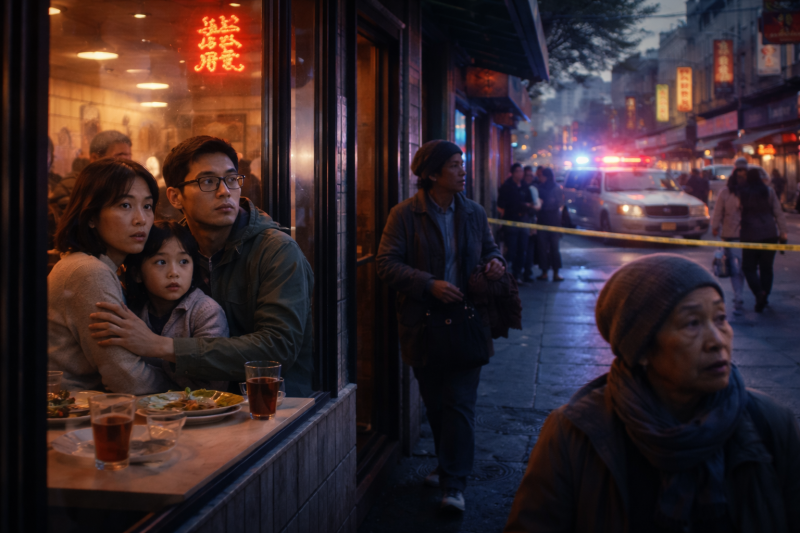
These days, the air in our community feels unsettled—stirred by an invisible hand. On the surface, life continues: restaurants open as usual, children go to school, parents go to work. Yet underneath that routine is a tension people don’t always say out loud. A distant siren can interrupt a meal. A knock at the door can tighten the chest. A message forwarded again and again—true or not—arrives like cold wind in a hallway. Fear often reaches us before facts do.
For Asian Americans and other minority communities, “living on edge” is not a slogan. It becomes a survival instinct: speak a little softer, keep your head down, protect your family first. Some mistake our silence for indifference. More often, it is the opposite—we care so deeply that we worry constantly. We worry about a child’s walk home, an elder’s trip to the grocery store, a stranger’s insult, a misunderstanding. We worry that an accent, a face, or a name can be judged as “not belonging,” even when we have spent years building a life here.
The cruelest part of fear is how it spreads into the most ordinary moments. People avoid going out at night. Children are told to stay close. Families keep extra documents nearby, save phone numbers “just in case,” and rehearse what to do if something happens. The community may appear quieter, more cautious, more obedient—but inside, many are exhausted, like a string pulled too tight for too long, vibrating even when the room is silent.
But fear cannot be our destination.
The history of minority communities teaches us this: every era that pushes people to bow their heads eventually produces those who lift them again—and bring dignity back into the public square. When the winds grow sharper, we need three things more than ever: clear information, mutual support, and public visibility.
• Clear information replaces rumors with truth and panic with clarity.
• Mutual support ensures no family feels like an island when trouble comes.
• Public visibility reminds society that we are not “quiet outsiders,” but citizens, taxpayers, workers, business owners, and builders of this country.
This moment of anxiety is also a mirror. It reflects how fragile our sense of safety can still be. Yet it also points to what truly protects a community: not only individual caution, but our organization, our trust in one another, and the courage to speak when it matters.
May tonight be calmer. May sirens grow distant. May our children not inherit fear as a required lesson of growing up. And may we, even in uncertainty, hold each other’s hands tighter—and keep the lights of our community burning brighter.
分享到微信
請掃描以上二維碼



















相關推薦
查看更多