






川普為什麼要訪問北京?


分享到微信
請掃描以上二維碼
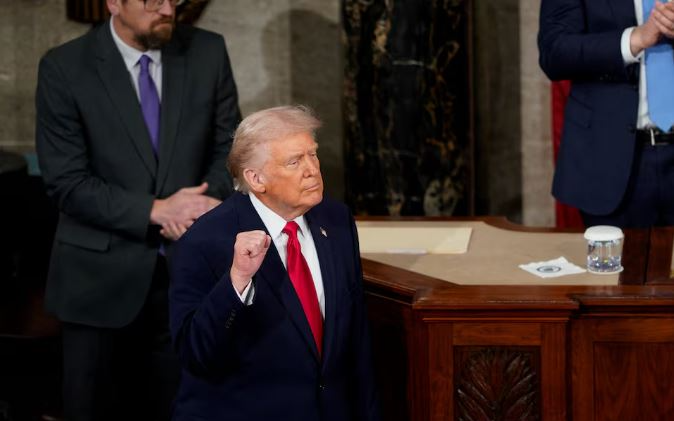
當Donald Trump的名字再次與北京連在一起時,這不僅是一則外交新聞,
在美中關係仍處於競爭與博弈交織的時代背景下,川普若選擇訪問北
⸻
一、經濟壓力下的現實考量
關稅問題與供應鏈重組,已經深刻影響美國企業與農業州利益。
在全球經濟復甦仍顯脆弱的情況下,美中雙方都承受壓力。
川普若訪問北京,核心目的之一可能是:
• 重新談判部分關稅政策
• 爭取對美國製造業與農業更有利的條件
• 為美國企業打開更多市場空間
對他而言,經濟成果比外交辭令更具說服力。
⸻
二、戰略競爭中的對話必要
科技戰、AI產業競爭、晶片出口限制、台海局勢、全球能源布局—
這些議題使美中關係成為全球秩序的核心變數。
北京作為中國政治決策中心,任何高層互動都象徵著雙方願意在對抗
在高度競爭的局勢下,「對話」本身就是一種戰略工具。
⸻
三、國內政治與領袖形象
川普向來善於利用外交舞台塑造強勢領導形象。
訪問北京,可能具有幾層政治意義:
• 向選民展示他有能力與世界強權正面交鋒
• 對比現任政府的對華政策
• 向商界與華人社群傳遞務實訊號
在選舉氛圍中,任何一次歷史性畫面,都可能轉化為政治資本。
⸻
四、全球訊號的釋放
當美國前總統或潛在政治核心人物踏上北京土地,
全世界都會解讀其中的含義。
這是一個關於全球秩序的問題:
競爭是否走向全面對抗?
還是競爭中仍存在合作空間?
⸻
結語
如果川普訪問北京,那將不是一次普通行程。
那是一場經濟談判的試探,
是一場戰略競逐中的對話,
也是一次政治形象的再塑。
在當前動盪的國際格局中,
美中關係依然是全球穩定與動盪的關鍵變數。
而北京之行,或許不只是一次會面,
更可能是一場關於未來秩序方向的風向標。
Why Would Trump Visit Beijing?
If Donald Trump were to visit Beijing, the move would be far more than a diplomatic courtesy call. It would signal a strategic calculation shaped by economics, geopolitics, and domestic politics.
In today’s environment of intense U.S.–China competition, any high-level visit carries global implications.
⸻
Economic Leverage and Trade Negotiations
Trade remains at the heart of U.S.–China relations. Tariffs, supply chain restructuring, and market access continue to affect American businesses, farmers, and manufacturers.
A visit to Beijing could serve several purposes:
• Reopening discussions on tariffs
• Securing better access for U.S. agricultural and industrial exports
• Demonstrating strong negotiation leadership to domestic voters
For Trump, economic results would matter more than diplomatic symbolism. Deliverables translate into political capital.
⸻
Strategic Dialogue Amid Competition
The rivalry between Washington and Beijing spans technology, artificial intelligence, semiconductors, Taiwan, global energy routes, and broader security issues.
Despite competition, communication channels are critical to prevent escalation. A visit would signal that strategic rivalry does not eliminate the need for dialogue. In global politics, engagement can be a form of leverage rather than concession.
⸻
Domestic Political Positioning
Trump has consistently used international platforms to reinforce his image as a decisive, deal-oriented leader.
A Beijing visit could:
• Project strength in direct engagement with a major power
• Contrast his approach with other administrations
• Reassure segments of the business community seeking stability
In an election cycle, optics matter. A high-profile diplomatic encounter can shape public perception as much as policy substance.
⸻
A Global Signal
When an American political figure of Trump’s stature steps into Beijing, the message extends beyond bilateral ties. Allies and rivals alike would interpret the move as an indicator of future U.S. policy direction.
Is competition escalating toward confrontation?
Or is there room for pragmatic recalibration?
⸻
Conclusion
A Trump visit to Beijing would not be a routine trip. It would represent:
• Economic negotiation
• Strategic positioning
• Political messaging
• A signal to the global order
In a world where U.S.–China relations define much of the international landscape, even a single visit can shift expectations about the future balance between rivalry and cooperation.
分享到微信
請掃描以上二維碼