






美國移民在銳減中


分享到微信
請掃描以上二維碼
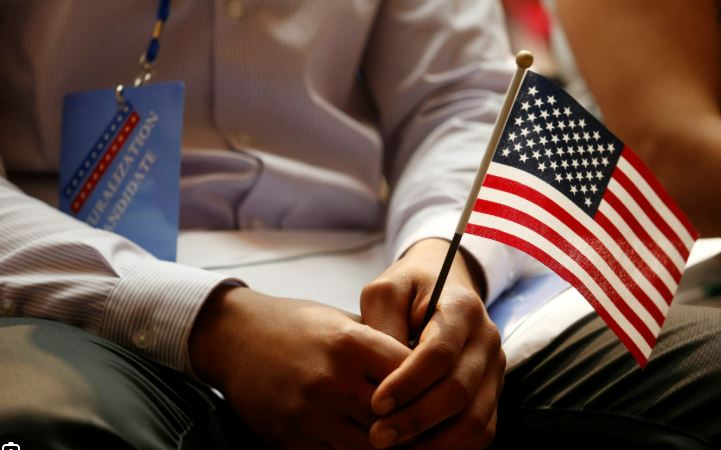
近年來,美國這片曾經被視為「機會之地」的土地,正悄然經歷一場
回顧歷史,自從1965年移民與國籍法案實施以來,美國移民結構
此外,COVID-19疫情後遺症仍在發酵,全球供應鏈重組與各
移民減少,對美國而言並非單一層面的變化。勞動市場開始出現結構
然而,在挑戰之中,也隱含轉機。如何在國家安全與經濟發展之間取
美國的故事,本質上是一部移民史。當移民減少時,不僅是數字的變
Friday Immigration to the United States Is Declining
In recent years, the United States—long regarded as a land of opportunity—has been undergoing a quiet but profound shift: immigration is noticeably declining. Whether highly skilled professionals entering through legal channels or families seeking refuge and a new beginning, fewer people are choosing—or able—to come.
Looking back, the passage of the Immigration and Nationality Act of 1965 reshaped the nation’s demographic landscape, opening doors to immigrants from Asia, Latin America, and beyond. These new Americans fueled economic growth and cultural vitality. Today, however, tighter policies, longer processing times, and strengthened border enforcement have raised the barriers to entry.
The lingering effects of COVID-19 continue to ripple across the world. Global supply chain shifts and changing national priorities have led some would-be immigrants to stay home or seek opportunities elsewhere. At the same time, deep political divisions within the United States over immigration policy have created uncertainty, discouraging long-term planning for many.
The decline in immigration is not merely a demographic trend—it has real consequences. Labor shortages are emerging in key sectors such as healthcare, construction, technology, and services. Slower population growth may also affect long-term economic momentum and innovation.
Yet within this challenge lies an opportunity. The United States now faces a pivotal question: how to balance national security with economic vitality, and how to design forward-looking immigration policies that sustain growth while preserving stability.
At its core, America’s story is an immigrant story. When immigration slows, it is not just numbers that decline—it is the rhythm of a nation’s history that softens. The future will depend on whether the country is willing to reopen its doors to new dreams and new hope.
分享到微信
請掃描以上二維碼