




副署死結下的台灣憲政危機


分享到微信
請掃描以上二維碼
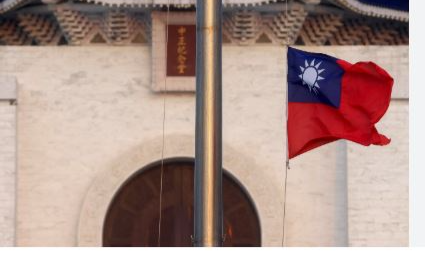
2025 年 12 月中旬,台灣政壇之所以被稱為「憲政危機」,關鍵不在單一政策爭
問題的根源是憲政結構的「雙重門檻」:總統公布法律依法須經行政
而這場僵局更棘手之處在於:原本應扮演仲裁者的憲法審查機制先前
接下來能否降溫,通常取決於三條路:朝野協商修正爭議法案、立院
Taiwan’s Constitutional Crisis in Brief
In mid-December 2025, Taiwan’s political standoff began to be described as a “constitutional crisis” not because of a single policy dispute, but because a core part of constitutional machinery appeared to seize up. The legislature passed major legislation (widely discussed in connection with fiscal and central-local revenue arrangements), but Premier Cho Jung-tai signaled he would refuse to countersign and move it forward—creating a direct collision between the executive and the legislature.
The structural problem is a built-in “double lock”: the president’s promulgation of laws requires the premier’s countersignature. When the premier refuses, the system can end up with a law that has cleared parliament yet cannot be fully promulgated and implemented, producing a deadlock that is difficult to solve through ordinary administrative procedures.
The deadlock has been even harder to contain because Taiwan’s constitutional referee—the Constitutional Court—has itself been under strain. On December 19, 2025, the Court issued Judgment No. 1 of 2025 striking down parts of amendments to the Constitutional Court Procedure framework, widely seen as an attempt to restore the Court’s capacity to function as an effective arbiter.
From here, the crisis can cool only through a few realistic exits: political negotiation and revision of disputed provisions, escalation to constitutional “pressure valves” such as a no-confidence move, and—crucially—whether the Constitutional Court can operate steadily and deliver decisions that the political branches and the public accept as legitimate.
分享到微信
請掃描以上二維碼