






俄烏戰事仍無解:一場持續消耗的沖突


分享到微信
請掃描以上二維碼
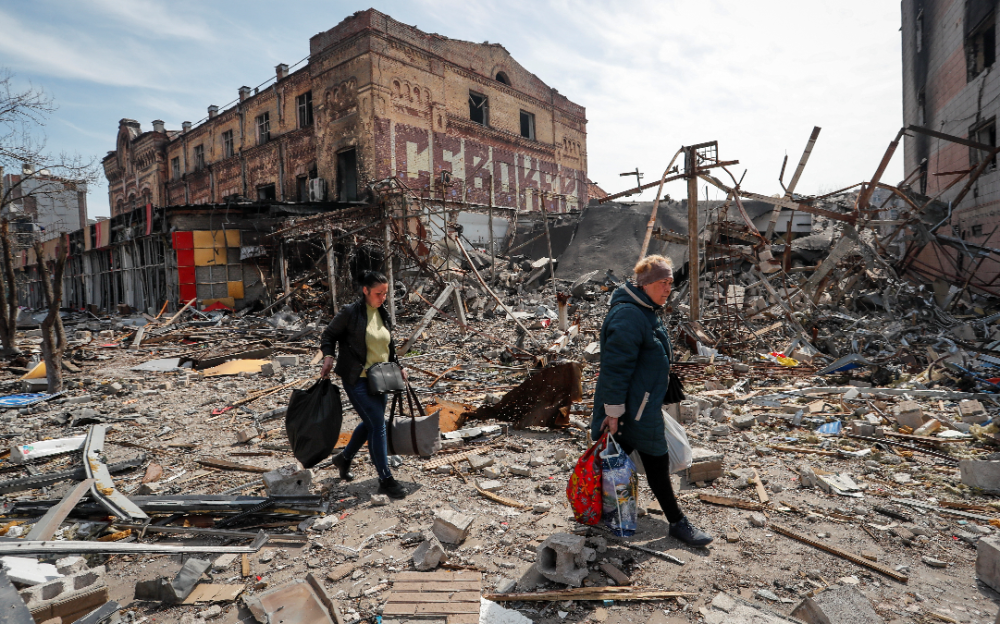
自俄烏沖突爆發以來,戰事已持續相當長的時間,至今仍未出現明確
從軍事角度看,前線局勢長期處于拉鋸狀態。雙方雖多次發動攻勢,
在外交層面,談判始終難以取得實質性進展。盡管國際社會不時推動
國際因素同樣是戰事難解的重要原因。俄烏沖突已不再只是雙邊戰爭
此外,戰爭帶來的影響早已超出戰場範圍。大量平民傷亡與流離失所
總體而言,俄烏戰事之所以仍無解,在于軍事僵持、政治對立與國際
The Russia–Ukraine War Remains Unresolved
Since the outbreak of the Russia–Ukraine conflict, the war has continued for an extended period with no clear resolution in sight. From military and diplomatic perspectives to broader international politics, the conflict has proven highly complex and difficult to bring to an end.
Militarily, the front lines remain largely locked in a prolonged stalemate. Despite repeated offensives by both sides, neither has achieved a decisive breakthrough. As a result, the war has increasingly taken on the nature of a war of attrition, placing heavy strain on manpower, equipment, and logistics.
On the diplomatic front, meaningful negotiations have made little progress. Although there have been occasional attempts at dialogue and third-party mediation, deep disagreements persist over core issues such as territorial sovereignty, security guarantees, and accountability. A lack of mutual trust continues to hinder any comprehensive ceasefire or peace agreement.
International factors further complicate the situation. The conflict has evolved beyond a bilateral war into a focal point of broader geopolitical competition. Military assistance, economic sanctions, and strategic interests of external actors have intensified the confrontation and contributed to its prolonged duration.
The humanitarian and economic consequences are severe and far-reaching. Civilian casualties and displacement remain high, while disruptions to energy supplies, food security, and global supply chains have affected not only Europe but the wider world.
In summary, the Russia–Ukraine war remains unresolved due to the interplay of military deadlock, political divisions, and international power dynamics. A meaningful turning point may depend on significant changes on the battlefield or a shift in the strategic calculations of key stakeholders. Until then, the conflict is likely to persist, continuing to test regional and global stability.
分享到微信
請掃描以上二維碼