




蔣萬安訪上海:為兩岸留下和平的一道細線


分享到微信
請掃描以上二維碼
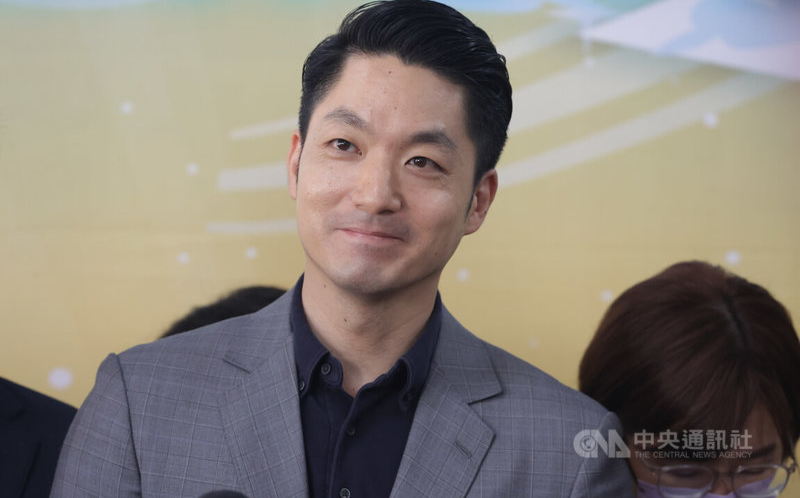
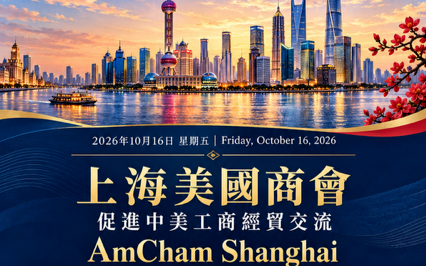
台北市長蔣萬安赴上海出席「台北—上海雙城論壇」,在兩岸氣氛緊繃之際,引發「該不該去」的爭論。
但真正的關鍵,不在於去或不去,而在於:若連城市層級的對話也斷了,台海還剩多少避免誤判、降低摩擦的渠道?
雙城論壇不是外交談判,無法解決結構性矛盾;它的價值在於維持接觸、保留溝通,讓兩岸至少能在市政、民生與治理議題上「仍可坐下來談」。論壇自2010年延續至今,某種程度就是不讓對立拆光橋樑的象徵。
然而,要讓社會相信交流有其正當性,必須用制度自證:資訊要透明、成果要可驗證、風險要可控管。市府應公開合作內容、列出可量化時程與成效指標,並定期向議會與市民報告,讓交流回到公共利益,而非停在姿態與口號。
在對立升溫的年代,和平往往不是靠豪言壯語,而是靠一條條仍能運作的溝通細線。蔣萬安此行的意義,正在於為兩岸留下那道細線——讓和平仍有被延續的可能。
Chiang Wan-an’s Shanghai Visit: Keeping a Thin Line of Peace Open
Taipei Mayor Chiang Wan-an’s trip to Shanghai for the Taipei–Shanghai Twin-City Forum has triggered debate over whether he should have gone at all. But the real question is bigger: if even city-to-city dialogue collapses, how many channels remain to reduce miscalculation and friction across the Taiwan Strait?
The Twin-City Forum is not diplomacy, and it will not resolve deep political disagreements. Its value lies elsewhere: it keeps contact alive—a practical space where both sides can still talk about municipal governance, public services, and people’s daily needs. In tense times, simply being able to meet and speak is already part of preserving peace.
That said, city exchanges only deserve public trust if they are governed by democratic standards. Transparency, accountability, and risk control must come first. Taipei should disclose cooperation items and documents, set measurable timelines and outcomes, and report progress regularly to the city council and the public—so the exchange is judged by public benefit, not political symbolism.
When tensions rise, peace is rarely secured by grand slogans. More often, it depends on keeping a few workable lines of communication open. Chiang’s visit matters for that reason: it helps preserve one thin, functioning thread that can prevent distance from becoming danger.
分享到微信
請掃描以上二維碼