




世界新秩序?


分享到微信
請掃描以上二維碼
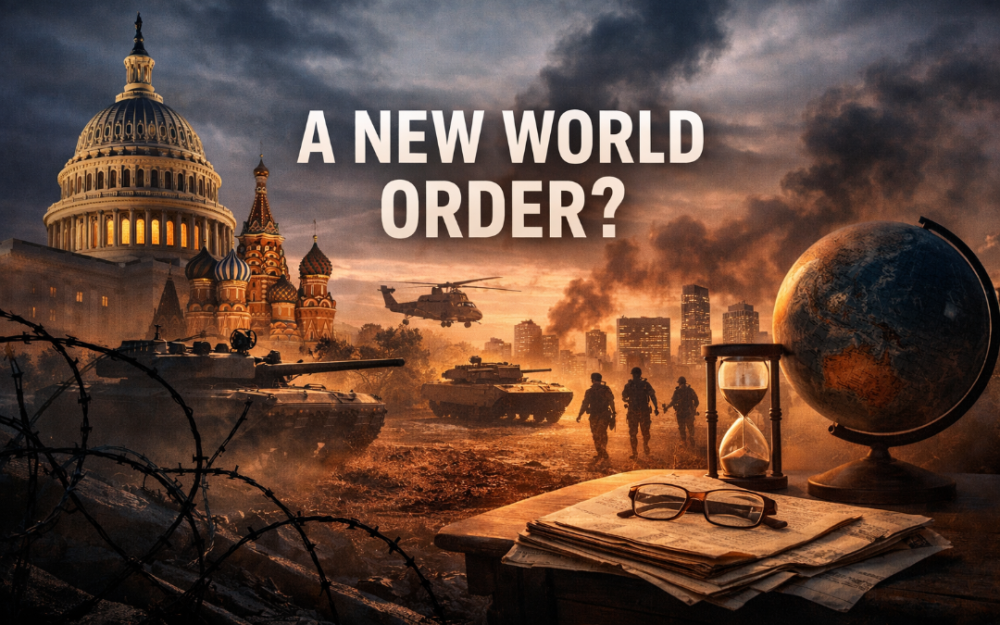
所謂「世界新秩序」,並不是某一天宣布成立,而是人們忽然發現:
過去的世界相信全球化——貨物自由流動、資本跨境配置、合作大於
因此,新秩序看起來不像冷戰那般兩極分明,更像多層網絡:同一個
新秩序的核心,其實是一句話:從「規則優先」走向「安全優先
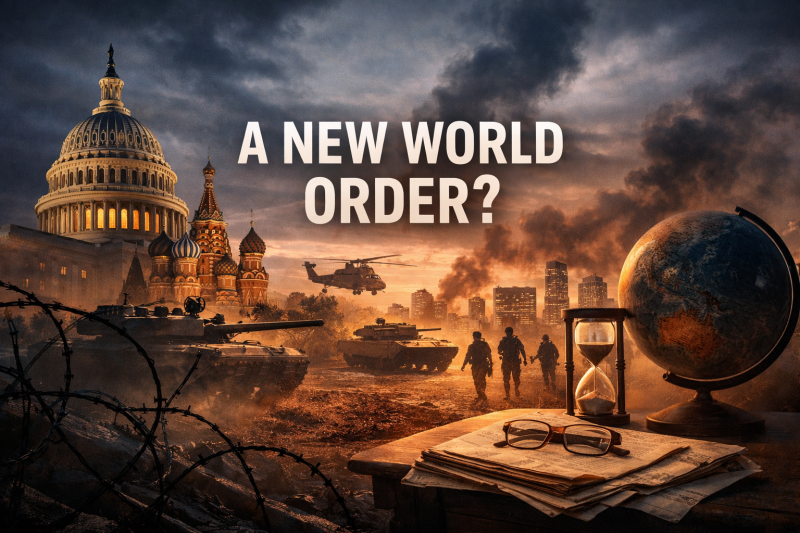
A New World Order?
A “new world order” is rarely announced on a single day. It arrives quietly—when the old rules still exist on paper, but new habits begin to govern real decisions.
For decades, the world leaned on globalization: freer trade, cross-border capital, and the belief that cooperation would outweigh confrontation. In 2026, many countries are putting security first. Supply chains must be controllable, energy must be resilient, critical technologies must be protected, borders more tightly managed, and investment screened through a strategic lens. Trade is no longer just commerce—it is leverage. Tariffs, sanctions, export controls, and access to key resources have become the standard tools of statecraft.
This new order does not look like the Cold War’s clean two-bloc structure. It looks more like a layered network, where nations can be partners on one issue and rivals on another. The lines shift with semiconductors, AI, financial systems, shipping routes, and regional conflicts. The result is a more fragmented and more sensitive world—where a single geopolitical shock can ripple into prices, logistics, investor confidence, and public mood.
In the end, the clearest definition is simple: the world is moving from “rules first” to “security first.” And once governments begin planning around worst-case scenarios, the new order is already here.
分享到微信
請掃描以上二維碼