






德州黨內初選戰況激烈


分享到微信
請掃描以上二維碼
2026年3月,德州迎來全美矚目的黨內初選。這場選舉不僅是德
首先最受關注的是聯邦參議員初選。共和黨方面,現任參議員約翰·
民主黨方面,同樣出現激烈競爭。聯邦眾議員賈斯敏·克羅克特(J
除了參議員之戰,多個國會眾議院選區也因重新劃分選區而變得更加
值得注意的是,今年初選投票率出現顯著上升。提前投票已超過25
德州向來是美國政治的重要戰場。此次初選不僅反映共和黨內部「建
從德州到全美,一場新的政治風暴正在醞釀。
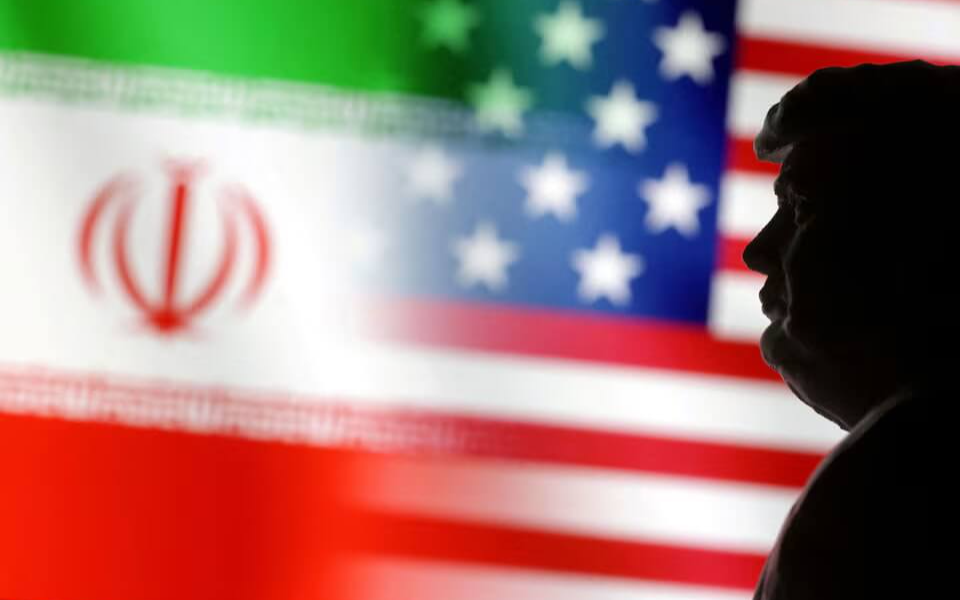
The U.S. and Israel Continue Airstrikes on Iran: A Flashpoint in a Changing World Order
The night sky over the Middle East once again glows with the light of explosions. Fighter jets cut through the darkness, radar systems scan the horizon, and tension tightens across the Persian Gulf. Israel has continued targeted strikes on Iranian military sites, while the United States reinforces its regional presence with naval deployments and intelligence coordination.
This is not merely a tactical operation. It is a strategic signal — one that carries implications far beyond the battlefield.
I. Deterrence and Counter-Deterrence
Israel has long viewed Iran’s missile capabilities and nuclear ambitions as existential threats. For Israel, preemptive action is framed as a matter of survival — preventing adversaries from achieving strategic superiority.
Iran, in turn, has built layered defensive and retaliatory capabilities, including missile systems, drone technologies, and regional proxy networks. Years of shadow conflict — cyber operations, intelligence warfare, and indirect engagements — have preceded this moment.
The current airstrikes are not an isolated escalation. They are the visible continuation of a long-standing confrontation.
The critical question is no longer whether there is conflict — but whether it will expand.
II. The United States: Support and Strategic Balance
United States maintains significant military assets in the region. Aircraft carrier strike groups patrol nearby waters, and missile defense systems reinforce allied positions. Washington faces a delicate balancing act: demonstrate unwavering support for allies while preventing a broader regional war.
Too little involvement risks undermining deterrence credibility.
Too much involvement risks direct entanglement in another prolonged conflict.
This is strategic arithmetic at its most complex.
III. Energy Markets and Global Economic Shockwaves
The Middle East is not only a geopolitical arena; it is the heart of global energy flows. Even limited military escalation can trigger sharp movements in oil prices, shipping insurance rates, and financial markets.
Energy volatility impacts inflation, investment flows, and political stability worldwide. For energy hubs such as Houston, rising oil prices may bring short-term economic opportunity — but global instability carries its own risks.
Energy remains one of the most powerful strategic levers in this confrontation.
分享到微信
請掃描以上二維碼