





AI 進入伊朗戰場


分享到微信
請掃描以上二維碼
當世界仍在為科技帶來的便利而驚嘆之際,另一個更深層的現實正在
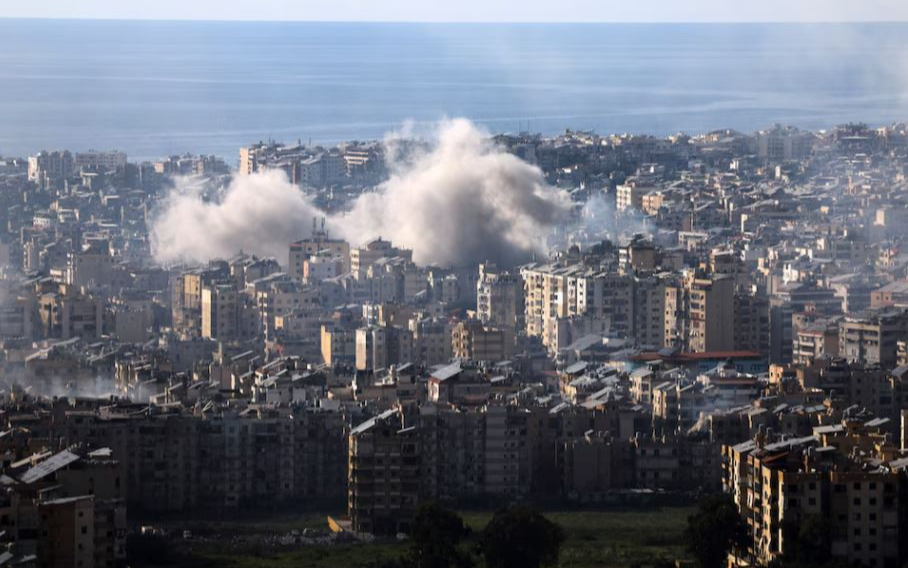
近來,中東局勢持續升溫,伊朗與其對手之間的軍事對峙不斷升級。
從無人機的自主導航、目標識別,到衛星與大數據分析,再到即時戰
在伊朗周邊的緊張局勢中,AI 被用來:
• 分析衛星與偵察影像
• 預測敵方行動與部署
• 控制與協調無人機群
• 進行電子戰與網絡攻擊
這種新型戰爭,不再只是火力的競賽,而是算力與算法的較量。
然而,AI 進入戰場也帶來深刻的倫理與安全問題。當機器參與甚至主導戰爭決
歷史一次又一次告訴我們,每一次科技革命,都會改變戰爭的面貌—
伊朗戰場,或許只是 AI 戰爭時代的序幕。
未來的戰爭,可能不再只是士兵在前線衝鋒,而是工程師、數據與機
在這個新的時代,人類必須重新思考:
科技究竟是保護和平的工具,還是加速衝突的力量。
歷史正在書寫,而人工智慧,已經走上戰場。
AI Enters the Battlefield in Iran
While the world continues to marvel at the convenience and efficiency brought by modern technology, another reality is quietly emerging—artificial intelligence has begun to enter the battlefield.
As tensions in the Middle East continue to rise, military confrontations involving Iran and its regional adversaries are becoming increasingly complex. Unlike traditional wars that relied mainly on tanks, fighter jets, and ground troops, today’s battlefield is witnessing the growing presence of AI-driven technologies acting as both tools and strategic assistants.
From autonomous drone navigation and target recognition to satellite intelligence analysis and real-time battlefield decision systems, artificial intelligence is rapidly reshaping the nature of warfare. Tasks that once required hours or days of intelligence analysis can now be completed in seconds. Decisions that were once made solely by military commanders are increasingly supported—sometimes even guided—by advanced algorithms.
In the evolving tensions surrounding Iran, AI technologies are being used to:
• Analyze satellite and reconnaissance imagery
• Predict enemy movements and military deployments
• Coordinate and control drone swarms
• Conduct cyber warfare and electronic warfare operations
This new form of warfare is no longer simply a contest of firepower, but a competition of computing power and algorithms.
However, the arrival of AI on the battlefield also raises profound ethical and security concerns. When machines participate in—or potentially influence—combat decisions, an important question emerges: Do humans still retain ultimate control? And if an algorithm makes a critical mistake, who bears the responsibility?
History has shown that every major technological revolution has reshaped warfare—from gunpowder to nuclear weapons, from satellites to cyber operations. Today, artificial intelligence may represent the next pivotal turning point.
The battlefield around Iran may only be the opening chapter of the AI warfare era.
In the wars of the future, victory may not be determined solely by soldiers on the front lines, but by engineers, data, and machines operating behind the scenes.
As humanity enters this new technological age, we must reflect carefully:
Will technology ultimately serve as a guardian of peace—or a force that accelerates conflict?
History is being written, and artificial intelligence has now stepped onto the battlefield.
分享到微信
請掃描以上二維碼