






新聞媒體 AI 之改變


分享到微信
請掃描以上二維碼
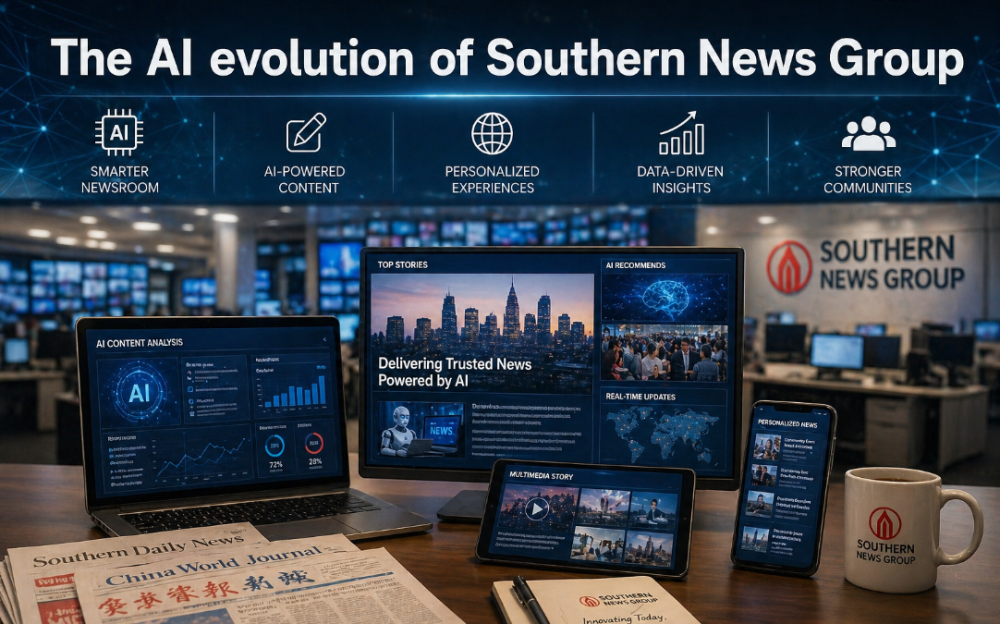
在這個資訊奔流不息的時代,人工智慧(AI)正以前所未有的速度
首先,AI顛覆了新聞的生產流程。過去,一則新聞的誕生,需要記
其次,新聞的呈現形式也因AI而全面升級。媒體不再局限於文字報
再者,AI改變了新聞的傳播邏輯。傳統媒體以「大眾傳播」為主,
在商業模式上,AI亦帶來結構性的轉變。傳統媒體依賴廣告與訂閱
然而,AI的崛起也帶來新的挑戰。假新聞、深度偽造(Deepf
因此,新聞從業者的角色也正在轉變。AI可以負責快速生成與整理
總體而言,AI並未取代新聞媒體,而是推動其進入一個全新的時代
未來的新聞,不再只是記錄歷史,而是與時代同步呼吸;而在這場變
The Transformation of News Media in the Age of AI
In an era defined by the relentless flow of information, artificial intelligence (AI) is reshaping the landscape of news media at an unprecedented pace. It is no longer merely a technological tool—it is a profound transformation of the industry itself. From how news is produced, to how it is delivered, to how media organizations sustain themselves, AI is redefining every dimension of journalism.
First and foremost, AI has revolutionized the process of news production. Traditionally, a news story required time-consuming steps: reporting, writing, editing, and publishing. Today, AI can instantly gather and synthesize information, generate draft articles, and assist editors in refining content. What once took hours—or even days—can now be accomplished in minutes. News is no longer simply a record of what has happened; it is becoming a real-time reflection of the world as it unfolds.
Equally significant is the transformation in how news is presented. Media is no longer confined to written text. A single story can now be simultaneously produced in multiple languages, converted into audio broadcasts, visualized through data graphics, and edited into short-form video content. This multi-format approach enhances audience engagement and broadens global reach, allowing information to transcend linguistic and cultural boundaries.
AI has also fundamentally changed the logic of news distribution. In the past, media followed a “one-to-many” model, delivering the same content to all readers. In the AI era, this has shifted toward personalized delivery. Through data analytics and intelligent algorithms, content can be tailored based on readers’ preferences, language, and geographic location. For instance, readers in Houston may receive prioritized coverage on local developments, community affairs, and regional economic trends—making news more relevant and impactful.
On the business front, AI is driving a structural shift. Traditional revenue models based on advertising and subscriptions are evolving into more sophisticated systems that include targeted advertising, premium membership services, data analytics, and AI-powered content solutions. Media organizations are no longer just distributors of information; they are becoming platforms for data, services, and influence. When integrated with financial and trade ecosystems—such as Global One Bank and Houston International Trade Center—media can evolve into a powerful, multidimensional network of impact.
However, with these advancements come serious challenges. The rise of deepfakes, misinformation, content overload, and declining public trust presents new risks. In a world where information travels instantly, credibility becomes the most valuable currency. The future of media will not be defined solely by speed, but by trust, accuracy, and integrity.
As a result, the role of journalists is also evolving. AI may excel at speed and scale, but human insight remains irreplaceable. Journalists are no longer just writers; they are analysts, curators, and interpreters of complex realities. Their mission is to extract truth from an overwhelming sea of data and present it with clarity, depth, and responsibility.
In conclusion, AI is not replacing news media—it is redefining it. This transformation represents a new balance between speed and depth, technology and humanity. For those willing to embrace change, AI offers not a threat, but an opportunity. It empowers smaller media organizations to compete on a global scale and gives local voices a platform to be heard worldwide.
The future of journalism is not merely about documenting history—it is about evolving alongside it. And in this new era, only those who uphold truth while harnessing innovation will lead the way forward.
分享到微信
請掃描以上二維碼