






中美關係新定位?


分享到微信
請掃描以上二維碼
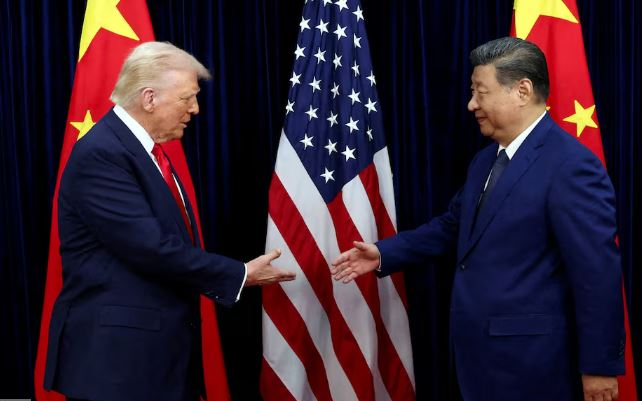
當世界局勢進入充滿不確定性的年代,中美兩國關係再次站在歷史的十字路口。
從貿易競爭、科技角力,到地緣政治與全球供應鏈重組,過去數年的對立與摩擦,已深刻改變世界秩序。然而,在衝突與競爭之外,人們也開始思考:中美關係是否正在進入一個「新定位」的時代?
美國,仍然是全球最大的經濟與科技強國;
中國,則持續以龐大的市場與製造能力影響世界經濟。
兩國既彼此競爭,也無法真正脫離彼此。
對全球而言,中美關係早已不只是兩國之間的外交問題,
而是牽動世界和平、金融市場、科技發展與人民生活的重要關鍵。
近來,雙方在經貿、人工智慧、能源合作、教育交流及氣候議題上,皆出現重新接觸的訊號。
雖然分歧依然存在,但「全面對抗」似乎已不符合雙方利益。
如何在競爭中建立秩序、在分歧中尋求合作,可能成為未來的新方向。
對旅居海外的華人社會而言,
我們更期待的是一個穩定、和平、互信的國際環境。
因為每一次中美關係的波動,都深深影響著全球華人的經濟、教育與下一代未來。
今天的世界,不需要新的冷戰。
世界真正需要的,是對話、理解與共同發展。
或許,
中美關係的新定位,
不只是「競爭與合作」之間的平衡,
更是人類未來能否共同邁向和平與繁榮的重要考驗。
New Positioning for U.S.-China Relations?
As the world enters an era filled with uncertainty, relations between the United States and China once again stand at a historic crossroads.
From trade disputes and technological rivalry to geopolitical tensions and supply chain restructuring, the friction of recent years has reshaped the global order. Yet beyond confrontation and competition, many are beginning to ask:
Are U.S.-China relations entering a new phase of strategic positioning?
The United States remains the world’s leading economic and technological power, while China continues to influence the global economy through its vast market and manufacturing strength.
The two nations compete intensely, yet remain deeply interconnected.
For the world, U.S.-China relations are no longer merely a bilateral issue. They influence global peace, financial markets, technological progress, and the daily lives of people everywhere.
Recently, signs of renewed engagement have emerged in trade, artificial intelligence, energy cooperation, educational exchange, and climate issues. While significant differences remain, total confrontation appears increasingly unsustainable for either side.
The challenge ahead may lie in building order amid competition and seeking cooperation despite disagreement.
For overseas Chinese communities, stability and mutual understanding are especially important. Every shift in U.S.-China relations directly affects global Chinese communities, influencing business, education, and the future of younger generations.
The world today does not need another Cold War.
What humanity truly needs is dialogue, understanding, and shared development.
Perhaps the new positioning of U.S.-China relations will not simply be a balance between competition and cooperation, but a defining test of whether the world can move together toward peace and prosperity.
分享到微信
請掃描以上二維碼