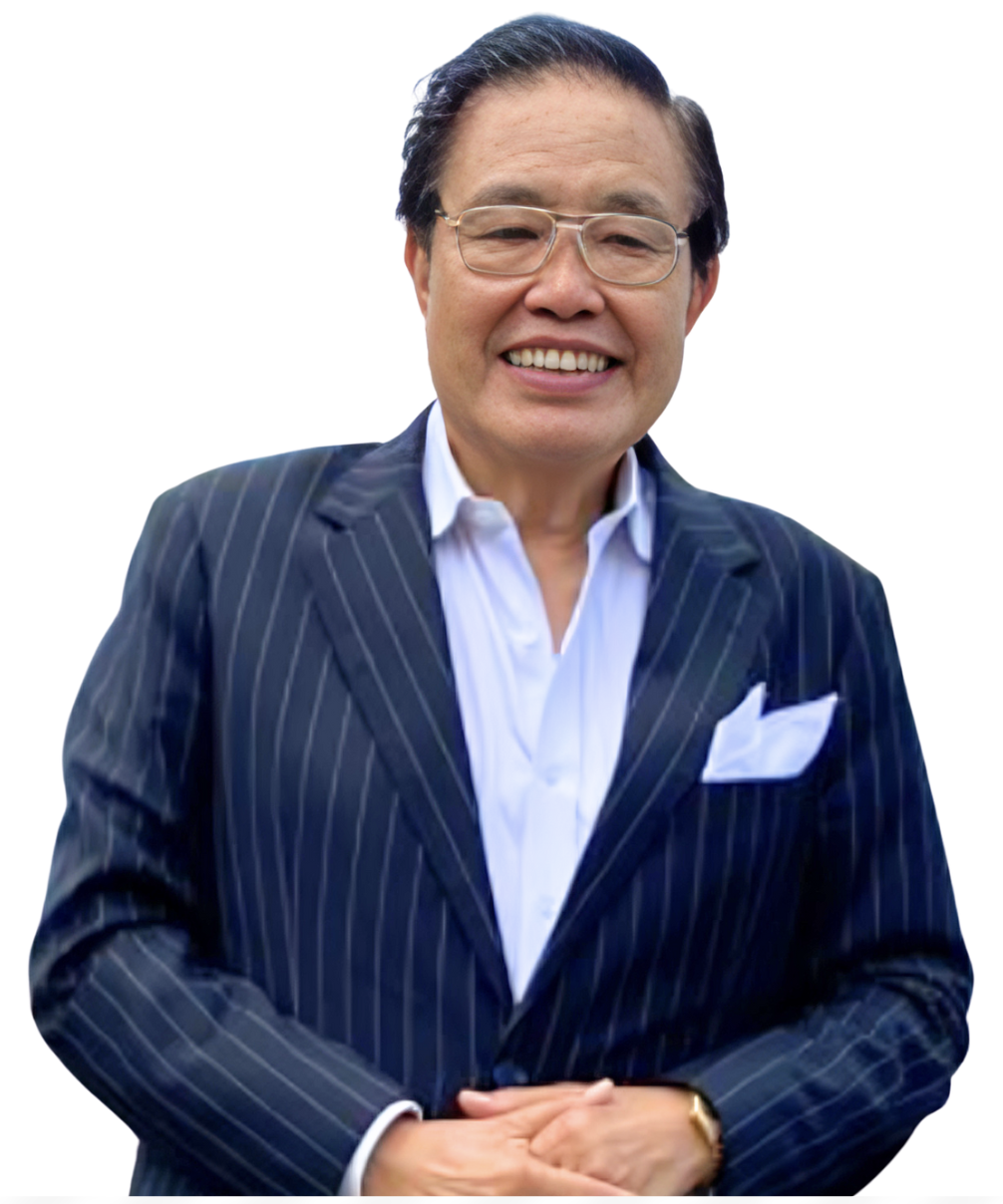





金恩博士之子為國會議員格林站台格林


分享到微信
請掃描以上二維碼
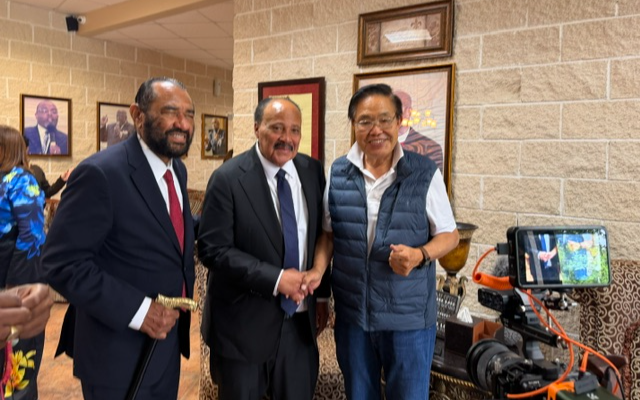
今天有幸與民權運動領袖金恩博士之子金恩三世並肩,為摯友格林國
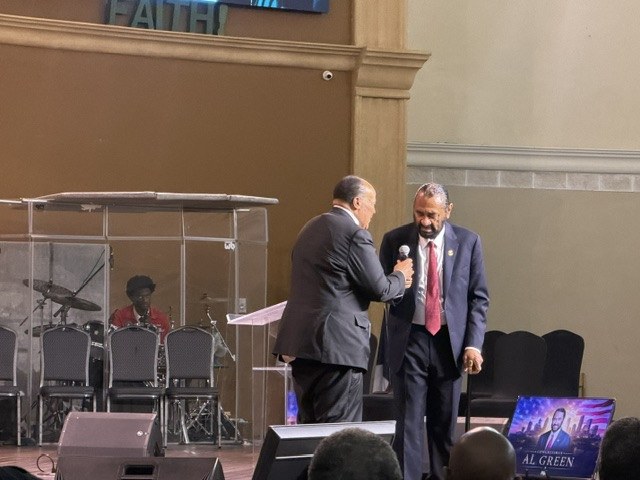
今天下午,我有幸在休士頓參加支持國會議員格林(Al Green)之群眾大會,並與民權運動偉大領袖馬丁・路德・金恩
金恩博士當年以「我有一個夢想」的歷史演說,改變了整個美國社會
格林國會議員多年來始終堅守正義立場,長期關心少數族裔、移民社
在現場,來自不同族裔與社區的支持者齊聚一堂,高呼團結與和平口
今晚,站在會場燈光之下,我心中充滿感恩。從移民奮鬥到服務社區
Trump’s Latest Remarks on the Taiwan Issue
U.S.-China Relations Enter a Sensitive New Phase
Following his visit to Beijing, U.S. President Donald Trump made a series of remarks regarding Taiwan that quickly drew worldwide attention. Because the Taiwan issue remains one of the most sensitive and complex topics in U.S.-China relations, Trump’s latest comments are widely viewed as an important signal for the future direction of cross-strait relations and Asia-Pacific stability.
After meeting with Chinese President Xi Jinping, Trump stated that America’s long-standing Taiwan policy had “not changed,” emphasizing that the United States continues to support maintaining the “status quo” in the Taiwan Strait. He stressed that Washington does not want to see military conflict erupt in the region and hopes to avoid escalating tensions between the world’s two largest powers.
However, Trump also suggested that U.S. arms sales to Taiwan could become part of broader negotiations with China. Referring to a proposed $14 billion arms package for Taiwan, he described it as a possible “negotiating chip” in future discussions with Beijing. The statement immediately triggered concern in Taiwan and attracted close international scrutiny.
Taiwanese officials responded quickly, insisting that Taiwan should never become a bargaining tool between major powers. Taiwan President Lai Ching-te stated publicly that U.S. arms sales are based on legal commitments and regional security considerations, and that Taiwan’s future should be determined by its 23 million people.
Trump also warned Taiwan not to misinterpret America’s position. While reaffirming U.S. support for peace and stability in the Taiwan Strait, he emphasized that Washington does not support actions that could unilaterally alter the status quo or provoke military confrontation. In one widely quoted remark, Trump reportedly said Taiwan should “cool it a little bit.”
Political analysts believe Trump’s comments reveal a more pragmatic and realist approach toward Taiwan. On one hand, the United States does not want to lose Taiwan’s strategic importance in the Indo-Pacific region. On the other hand, Washington also seeks to avoid a direct military confrontation with China over the island.
Meanwhile, Beijing once again reiterated that Taiwan remains a “core interest” and a “red line” that cannot be crossed. During the Beijing summit, Xi Jinping reportedly warned that mishandling the Taiwan issue could lead to serious confrontation or even conflict.
Against the backdrop of slowing global economic growth, ongoing Middle East tensions, energy market instability, and intense competition in artificial intelligence and semiconductor technology, both the United States and China understand that open conflict would serve neither side’s interests. The challenge ahead will be how to manage competition while maintaining strategic restraint.
Today, the Taiwan issue extends far beyond cross-strait relations. It affects global supply chains, semiconductor production, Indo-Pacific security, and the broader world economy. Taiwan has become one of the most strategically important geopolitical flashpoints in the world.
Trump’s latest remarks send three clear messages:
First, the United States does not want war in the Taiwan Strait. Second, America is unwilling to abandon Taiwan. Third, Washington also does not support formal Taiwanese independence.
How the United States and China balance competition and cooperation in the years ahead will shape not only the future of Asia, but also global peace and stability. Taiwan remains one of the most sensitive and consequential issues at the center of that global equation.
分享到微信
請掃描以上二維碼