






中美貿易為何未見全面展開?


分享到微信
請掃描以上二維碼
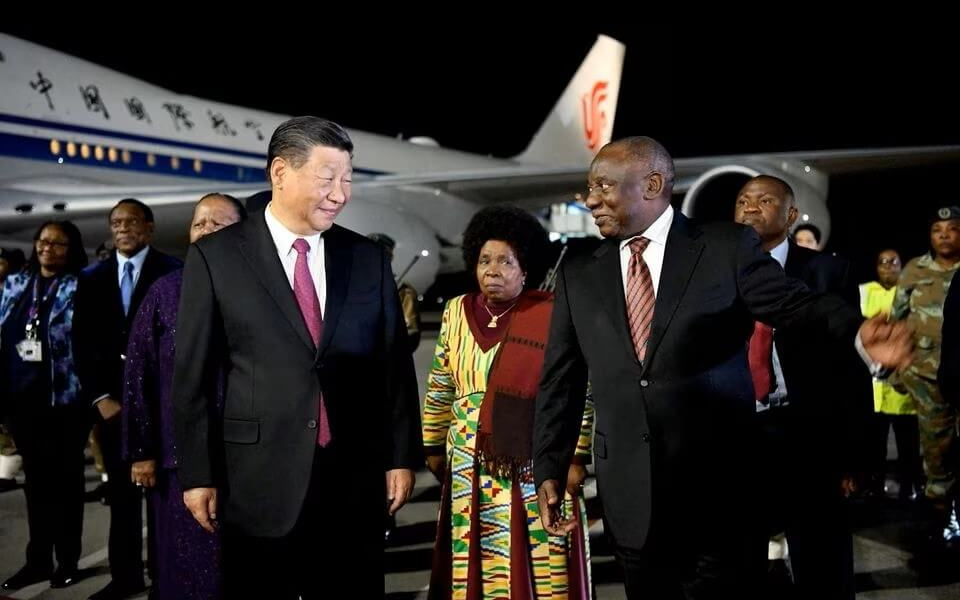
當世界經濟仍在尋求復甦動力之際,中美兩大經濟體之間的貿易往來
造成這一局面的首要原因,是雙方長期累積的政治與戰略互不信任。
其次,科技競爭已成為中美關係的新焦點。從人工智慧、半導體到量
此外,全球供應鏈重組亦改變了國際貿易版圖。近年來,越南、印度
地緣政治局勢同樣影響深遠。從台海局勢到國際安全議題,從能源競
然而,即便面臨重重挑戰,中美兩國仍然彼此需要。美國市場對中國
未來的中美關係,或許不會回到過去毫無障礙的自由貿易時代,但也
世界經濟需要穩定,中美關係更需要智慧。當前全球面臨經濟增長放
中美貿易全面展開的道路雖然漫長,但只要合作的大門沒有關閉,希
Why Has U.S.-China Trade Not Fully Rebounded?
As the global economy continues its search for sustainable growth and stability, trade between the world’s two largest economies—the United States and China—has yet to return to the level of dynamism seen before the trade war. Despite multiple rounds of negotiations and periodic signs of improvement, a full-scale revival of U.S.-China trade remains elusive.
One of the primary reasons is the lingering lack of strategic trust between the two nations. Since the onset of the trade dispute, tariffs and trade restrictions have only been partially reduced. Businesses on both sides remain cautious, concerned that future policy shifts could disrupt investment plans and supply chains. Uncertainty, more than tariffs alone, has become a significant obstacle to renewed commercial activity.
Another major factor is the growing competition in advanced technology. Artificial intelligence, semiconductor manufacturing, quantum computing, and cybersecurity have become central to national economic and security strategies. The United States seeks to protect critical technologies, while China continues to accelerate its efforts toward technological self-sufficiency. As economic competition increasingly overlaps with national security concerns, trade relations have become more complex than traditional commercial negotiations.
Global supply chains have also undergone significant restructuring. In recent years, many multinational corporations have adopted a “China Plus One” strategy, expanding manufacturing operations into countries such as India, Vietnam, and Mexico. While China remains a vital manufacturing powerhouse, companies are seeking greater diversification to reduce geopolitical and operational risks. As a result, some trade flows that once moved directly between the United States and China are now routed through third countries.
Geopolitical tensions further complicate the picture. Issues involving regional security, international alliances, and differing visions of global governance continue to influence economic policymaking. Business leaders generally prefer predictable environments, and geopolitical uncertainty often discourages long-term investments and large-scale expansion plans.
Domestic political considerations also play an important role. In the United States, concerns regarding trade, manufacturing jobs, and national competitiveness have become bipartisan issues. In China, economic modernization and industrial upgrading remain national priorities. Both governments face internal pressures that shape their trade policies and limit the speed of economic rapprochement.
Yet despite these challenges, the economic relationship between the United States and China remains deeply interconnected. American companies continue to view China as a significant market, while Chinese businesses value access to American consumers, capital markets, and innovation ecosystems. Complete economic decoupling is neither practical nor desirable for either side.
The future of U.S.-China economic relations will likely be defined by a balance of competition and cooperation. Strategic rivalry may continue in technology and security-related sectors, while collaboration remains necessary in areas such as trade, finance, energy, healthcare, and climate initiatives.
The world economy benefits when the United States and China engage constructively. Greater stability between the two nations would not only support economic growth and business confidence but also contribute to global prosperity during a period marked by uncertainty and rapid change.
The road toward a full recovery in U.S.-China trade may be long, but as long as channels for dialogue and cooperation remain open, there is reason for optimism. The future will depend not on eliminating competition, but on managing it wisely while expanding areas of mutual benefit.
分享到微信
請掃描以上二維碼