





從德州宿舍到全球慈善舞台


分享到微信
請掃描以上二維碼
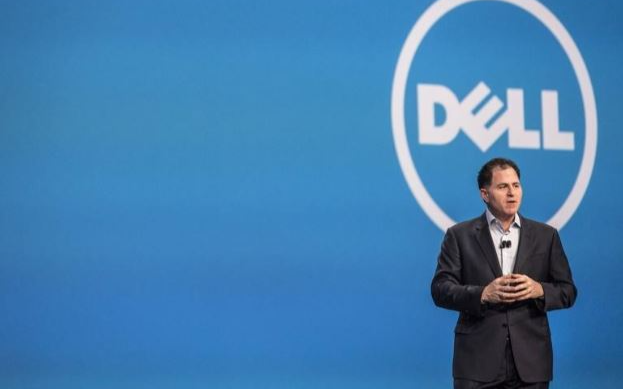
Michael Dell 用 62.5 億美元改寫孩子的人生起跑點
每年感恩節過後的星期二,被稱為「Giving Tuesday」——在黑色星期五與網購星期一的瘋狂消費之後,
一筆足以影響 2,500 萬名兒童的人生基金
在這一天,Michael Dell 與其妻 Susan Dell 宣布,透過 Michael & Susan Dell Foundation,承諾捐出 62.5 億美元。這筆巨額善款,將用來幫助全美約 2,500 萬名 10 歲以下的兒童,為他們預先建立一筆象徵「希望起點」的投資資產。
依照規劃,每一名符合條件的兒童帳戶中,將注入 250 美元。乍看之下,這並不是令人瞠目結舌的單筆金額,但背後的意義
• 對許多弱勢與低收入家庭而言,這可能是孩子生命中第一筆「以自己
• 隨著時間推移與投資成長,這筆本金未來可以幫助他們支付學費、購
• 更重要的是,它代表社會向這一代孩子傳遞的一句話:
「你並不是一無所有地出發,這個國家願意投資在你身上。」
在貧富差距逐漸擴大的當下,這樣一項以兒童為核心、著眼「人生起
從拆電腦的大學生,到重塑未來的慈善家
回到起點,Michael Dell 的故事幾乎已成為創業傳奇的教科書情節。
1984 年,19 歲的他在德州大學就讀期間,利用宿舍房間創辦了 Dell 公司。靠著「直接銷售給客戶」的創新模式與精準的成本控制,他把
多年後,Dell Technologies 已成為全球科技巨頭之一,而 Michael Dell 的角色,也早已從「創業奇才」走向「全球知名慈善領袖」。
他與妻子共同成立的 Michael & Susan Dell Foundation,不只是簽支票捐錢的機構,而是一個長期介
三大支柱:教育、健康、家庭經濟安全網
這個基金會的慈善策略十分清晰,長期鎖定三大領域:
1. 教育(Education)
他們投入資源支持學校改革、提升課堂教學品質、運用數據與科技輔
2. 健康(Health)
透過社區健康計畫、兒童與家庭健康方案、公共衛生與醫療創新專案
3. 家庭經濟穩定(Family Economic Stability)
他們支持職業訓練、就業輔導、普惠金融與小額貸款等計畫,協助家
在地理布局上,基金會特別關注 美國(尤其是德州)、印度與南非——這些地區人口年輕、活力充沛
Giving Tuesday:讓「給予」成為全民運動
過去,人們常把「慈善」想成是億萬富豪才能做的事情;但 Giving Tuesday 的核心理念恰恰相反——
每個人都有東西可以給予(Everyone has something to give)。
在這個框架下,Michael Dell 的 62.5 億美元捐款,是一座醒目的燈塔;
然而更關鍵的是,這盞燈也在提醒每一個普通人:
• 你可以捐出一筆小額善款給你相信的機構;
• 你可以奉獻一點時間擔任志工;
• 你可以用自己的專業免費幫 NGO 改網站、做設計、寫文案;
• 甚至,只是一通問候電話、一則關懷訊息、一句真誠的鼓勵,也是一
當世界看見億萬富豪如何運用財富改變結構,也該看見千千萬萬普通
從個人抉擇,到一代人的希望
當年那個躲在宿舍裡,拆解零件、組裝電腦、計算每一分成本的年輕
今天的 Michael Dell,已不只是「Dell 電腦創辦人」,更是一位試圖用財富對抗不平等、為下一代創造機會
而每一個在 Giving Tuesday 伸出援手的人——無論是捐出一美元,還是給出一小時——其實都在
讓這個世界,對未來的孩子,稍微公平一點,稍微溫暖一點。
From a Dorm Room in Texas to the Global Philanthropy Stage:
How Michael Dell Is Resetting the Starting Line for 25 Million Children
Every year, the Tuesday after Thanksgiving is known as Giving Tuesday—a day meant to balance out the frenzy of Black Friday and Cyber Monday with a focus on generosity, not consumption.
On Giving Tuesday 2025, tech pioneer and Dell founder Michael Dell made a decision that once again placed his name firmly in the history of modern philanthropy.
⸻
A Fund That Could Shape the Futures of 25 Million Children
On this day, Michael Dell and his wife Susan Dell announced, through the Michael & Susan Dell Foundation, a commitment of $6.25 billion.
This extraordinary pledge is designed to support around 25 million children in the United States under the age of 10, by creating a small but meaningful pool of assets for each of them—essentially a starter fund for their future.
The plan is straightforward but powerful:
each eligible child will have $250 placed into an investment account.
At first glance, $250 may not sound life-changing. But the deeper meaning runs much further:
• For many low-income or disadvantaged families, this may be the first formal asset ever held in the child’s name.
• Over time, with growth and compounding, that modest sum can become a fund that helps pay for education, a first home, a small business, or act as a buffer in times of crisis.
• Most importantly, it sends a clear message to an entire generation:
“You are not starting from zero. This society is willing to invest in you.”
At a moment when economic inequality is widening, a large-scale commitment focused on children’s starting point is seen by many as a landmark in American philanthropy.
⸻
From Taking Apart Computers to Redesigning the Future
To appreciate the significance of this move, it helps to remember where Michael Dell began.
In 1984, as a 19-year-old student at the University of Texas, he launched his computer business from a dorm room in Austin. By building customized PCs and selling directly to customers, he overturned traditional distribution models and reshaped the personal computer industry.
Decades later, Dell Technologies is a global giant. And Michael Dell’s role has evolved far beyond “startup legend” to include that of a global philanthropic leader.
Together with Susan Dell, he founded the Michael & Susan Dell Foundation, which does far more than write checks. It is structured as a long-term, data-driven, impact-focused organization that seeks to change systems, not just address symptoms.
⸻
Three Pillars: Education, Health, and Economic Stability
The foundation’s strategy is clear and consistent. It focuses on three major pillars:
1. Education
The foundation funds efforts to improve school quality, classroom teaching, and student outcomes—from K–12 through higher education. It invests in tools, data, and models that help more students not just enroll, but complete their education and build real opportunities.
2. Health
Through community health programs, child and family health initiatives, and innovations in public health and healthcare delivery, the foundation works to ensure that vulnerable populations can access basic, reliable health services. Good health is treated as a prerequisite for any child to have a fair chance.
3. Family Economic Stability
The foundation supports job training, skills development, financial inclusion, microloans, and other programs that help families build a minimum level of economic security. The goal is to prevent a single job loss, illness, or crisis from dragging a family into long-term poverty.
Geographically, the foundation concentrates on areas with large young populations and sharp inequalities—especially the United States (with a focus on Texas), India, and South Africa. For Michael and Susan Dell, these are places filled with both urgent need and enormous potential.
⸻
Giving Tuesday: Turning Generosity into a Shared Movement
Traditionally, philanthropy has often been viewed as something reserved for the ultra-wealthy. But the core message of Giving Tuesday is exactly the opposite:
Everyone has something to give.
In that spirit, Michael Dell’s $6.25 billion pledge is a lighthouse—highly visible and deeply symbolic. But it also quietly carries another message to the rest of us:
• You may not be able to donate billions, but you can give a small amount to a cause you believe in.
• You can offer your time as a volunteer.
• You can contribute your professional skills—for example, by helping nonprofits with design, technology, writing, or strategy.
• Even a simple phone call, message of support, or act of kindness is a real form of giving.
While billion-dollar commitments can move systems at scale, the daily decisions of millions of ordinary people are what slowly shape the culture of a society.
⸻
From One Person’s Choice to a Generation’s Hope
That young man in a Texas dorm room, once preoccupied with circuit boards, price lists, and direct-sales models, likely never imagined that the wealth created by his company would one day be used to reset the starting line for tens of millions of children.
Today, Michael Dell is no longer just “the founder of Dell Computers.”
He is also a philanthropist trying to use capital as a tool to counter structural inequality and expand opportunity for the next generation.
And every person who takes action on Giving Tuesday—whether it’s donating a dollar or giving an hour—joins the same broader project:
To make the world, for the children who inherit it, a little fairer and a little kinder.
分享到微信
請掃描以上二維碼