





从德州宿舍到全球慈善舞台


分享到微信
請掃描以上二維碼
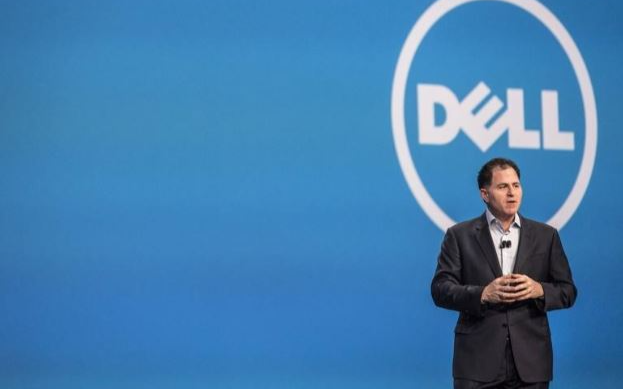
Michael Dell 用 62.5 亿美元改写孩子的人生起跑点
每年感恩节过后的星期二,被称為「Giving Tuesday」——在黑色星期五与网购星期一的疯狂消费之后,
一笔足以影响 2,500 万名儿童的人生基金
在这一天,Michael Dell 与其妻 Susan Dell 宣布,透过 Michael & Susan Dell Foundation,承诺捐出 62.5 亿美元。这笔巨额善款,将用来帮助全美约 2,500 万名 10 岁以下的儿童,為他们预先建立一笔象徵「希望起点」的投资资產。
依照规划,每一名符合条件的儿童帐户中,将注入 250 美元。乍看之下,这并不是令人瞠目结舌的单笔金额,但背后的意义
• 对许多弱势与低收入家庭而言,这可能是孩子生命中第一笔「以自己
• 随着时间推移与投资成长,这笔本金未来可以帮助他们支付学费、购
• 更重要的是,它代表社会向这一代孩子传递的一句话:
「你并不是一无所有地出发,这个国家愿意投资在你身上。」
在贫富差距逐渐扩大的当下,这样一项以儿童為核心、着眼「人生起
从拆电脑的大学生,到重塑未来的慈善家
回到起点,Michael Dell 的故事几乎已成為创业传奇的教科书情节。
1984 年,19 岁的他在德州大学就读期间,利用宿舍房间创办了 Dell 公司。靠着「直接销售给客户」的创新模式与精準的成本控制,他把
多年后,Dell Technologies 已成為全球科技巨头之一,而 Michael Dell 的角色,也早已从「创业奇才」走向「全球知名慈善领袖」。
他与妻子共同成立的 Michael & Susan Dell Foundation,不只是签支票捐钱的机构,而是一个长期介
三大支柱:教育、健康、家庭经济安全网
这个基金会的慈善策略十分清晰,长期锁定三大领域:
1. 教育(Education)
他们投入资源支持学校改革、提升课堂教学品质、运用数据与科技辅
2. 健康(Health)
透过社区健康计画、儿童与家庭健康方案、公共卫生与医疗创新专案
3. 家庭经济稳定(Family Economic Stability)
他们支持职业训练、就业辅导、普惠金融与小额贷款等计画,协助家
在地理布局上,基金会特别关注 美国(尤其是德州)、印度与南非——这些地区人口年轻、活力充沛
Giving Tuesday:让「给予」成為全民运动
过去,人们常把「慈善」想成是亿万富豪才能做的事情;但 Giving Tuesday 的核心理念恰恰相反——
每个人都有东西可以给予(Everyone has something to give)。
在这个框架下,Michael Dell 的 62.5 亿美元捐款,是一座醒目的灯塔;
然而更关键的是,这盏灯也在提醒每一个普通人:
• 你可以捐出一笔小额善款给你相信的机构;
• 你可以奉献一点时间担任志工;
• 你可以用自己的专业免费帮 NGO 改网站、做设计、写文案;
• 甚至,只是一通问候电话、一则关怀讯息、一句真诚的鼓励,也是一
当世界看见亿万富豪如何运用财富改变结构,也该看见千千万万普通
从个人抉择,到一代人的希望
当年那个躲在宿舍裡,拆解零件、组装电脑、计算每一分成本的年轻
今天的 Michael Dell,已不只是「Dell 电脑创办人」,更是一位试图用财富对抗不平等、為下一代创造机会
而每一个在 Giving Tuesday 伸出援手的人——无论是捐出一美元,还是给出一小时——其实都在
让这个世界,对未来的孩子,稍微公平一点,稍微温暖一点。
From a Dorm Room in Texas to the Global Philanthropy Stage:
How Michael Dell Is Resetting the Starting Line for 25 Million Children
Every year, the Tuesday after Thanksgiving is known as Giving Tuesday—a day meant to balance out the frenzy of Black Friday and Cyber Monday with a focus on generosity, not consumption.
On Giving Tuesday 2025, tech pioneer and Dell founder Michael Dell made a decision that once again placed his name firmly in the history of modern philanthropy.
⸻
A Fund That Could Shape the Futures of 25 Million Children
On this day, Michael Dell and his wife Susan Dell announced, through the Michael & Susan Dell Foundation, a commitment of $6.25 billion.
This extraordinary pledge is designed to support around 25 million children in the United States under the age of 10, by creating a small but meaningful pool of assets for each of them—essentially a starter fund for their future.
The plan is straightforward but powerful:
each eligible child will have $250 placed into an investment account.
At first glance, $250 may not sound life-changing. But the deeper meaning runs much further:
• For many low-income or disadvantaged families, this may be the first formal asset ever held in the child’s name.
• Over time, with growth and compounding, that modest sum can become a fund that helps pay for education, a first home, a small business, or act as a buffer in times of crisis.
• Most importantly, it sends a clear message to an entire generation:
“You are not starting from zero. This society is willing to invest in you.”
At a moment when economic inequality is widening, a large-scale commitment focused on children’s starting point is seen by many as a landmark in American philanthropy.
⸻
From Taking Apart Computers to Redesigning the Future
To appreciate the significance of this move, it helps to remember where Michael Dell began.
In 1984, as a 19-year-old student at the University of Texas, he launched his computer business from a dorm room in Austin. By building customized PCs and selling directly to customers, he overturned traditional distribution models and reshaped the personal computer industry.
Decades later, Dell Technologies is a global giant. And Michael Dell’s role has evolved far beyond “startup legend” to include that of a global philanthropic leader.
Together with Susan Dell, he founded the Michael & Susan Dell Foundation, which does far more than write checks. It is structured as a long-term, data-driven, impact-focused organization that seeks to change systems, not just address symptoms.
⸻
Three Pillars: Education, Health, and Economic Stability
The foundation’s strategy is clear and consistent. It focuses on three major pillars:
1. Education
The foundation funds efforts to improve school quality, classroom teaching, and student outcomes—from K–12 through higher education. It invests in tools, data, and models that help more students not just enroll, but complete their education and build real opportunities.
2. Health
Through community health programs, child and family health initiatives, and innovations in public health and healthcare delivery, the foundation works to ensure that vulnerable populations can access basic, reliable health services. Good health is treated as a prerequisite for any child to have a fair chance.
3. Family Economic Stability
The foundation supports job training, skills development, financial inclusion, microloans, and other programs that help families build a minimum level of economic security. The goal is to prevent a single job loss, illness, or crisis from dragging a family into long-term poverty.
Geographically, the foundation concentrates on areas with large young populations and sharp inequalities—especially the United States (with a focus on Texas), India, and South Africa. For Michael and Susan Dell, these are places filled with both urgent need and enormous potential.
⸻
Giving Tuesday: Turning Generosity into a Shared Movement
Traditionally, philanthropy has often been viewed as something reserved for the ultra-wealthy. But the core message of Giving Tuesday is exactly the opposite:
Everyone has something to give.
In that spirit, Michael Dell’s $6.25 billion pledge is a lighthouse—highly visible and deeply symbolic. But it also quietly carries another message to the rest of us:
• You may not be able to donate billions, but you can give a small amount to a cause you believe in.
• You can offer your time as a volunteer.
• You can contribute your professional skills—for example, by helping nonprofits with design, technology, writing, or strategy.
• Even a simple phone call, message of support, or act of kindness is a real form of giving.
While billion-dollar commitments can move systems at scale, the daily decisions of millions of ordinary people are what slowly shape the culture of a society.
⸻
From One Person’s Choice to a Generation’s Hope
That young man in a Texas dorm room, once preoccupied with circuit boards, price lists, and direct-sales models, likely never imagined that the wealth created by his company would one day be used to reset the starting line for tens of millions of children.
Today, Michael Dell is no longer just “the founder of Dell Computers.”
He is also a philanthropist trying to use capital as a tool to counter structural inequality and expand opportunity for the next generation.
And every person who takes action on Giving Tuesday—whether it’s donating a dollar or giving an hour—joins the same broader project:
To make the world, for the children who inherit it, a little fairer and a little kinder.
分享到微信
請掃描以上二維碼