






華郵記者被搜索


分享到微信
請掃描以上二維碼
今晨讀到一則令人不安的新聞:美國聯邦調查局(FBI)依搜索令
官方說法指向一宗「機密文件/非法洩密」調查:案件核心是一名五
然而,更刺痛人心的是:多家新聞自由團體與《華郵》本身都形容這
國家安全固然重要,但新聞自由也同樣是民主社會的脊梁。今日之搜
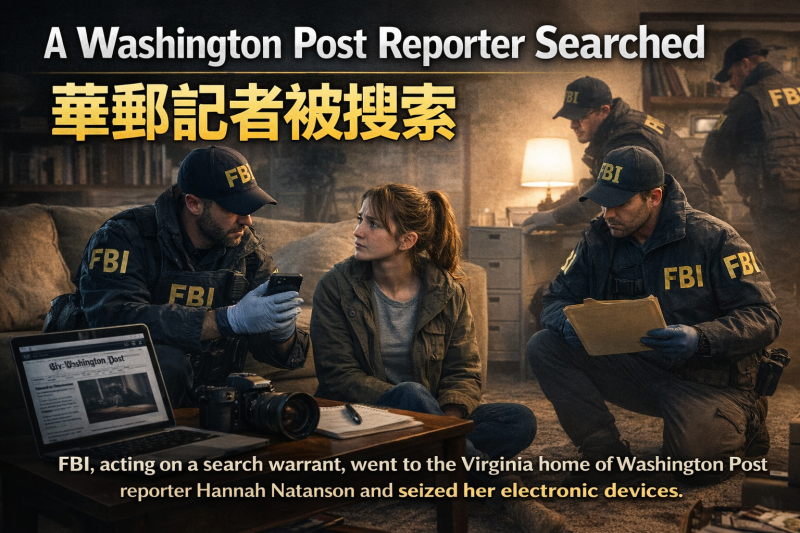
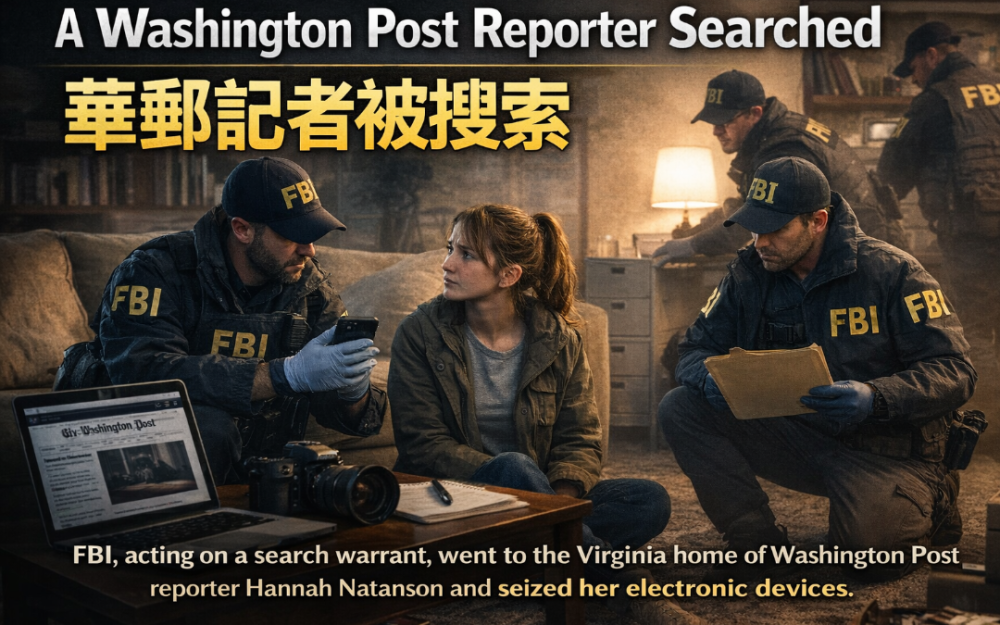
A Washington Post Reporter Searched
This morning I read a troubling report: the FBI, acting on a search warrant, went to the Virginia home of Washington Post reporter Hannah Natanson and seized her electronic devices, including her phone, two laptops, and a smartwatch.
Officials say the action is tied to a leak investigation involving classified materials—an effort, they argue, to protect national security and deter unlawful disclosures.
But what unsettles many people is the method itself. Press-freedom advocates and the newspaper have described it as an unusually aggressive step that could intimidate sources and chill reporting. When a reporter’s tools of work—phones, notes, and devices—can be treated as part of an evidence chain, the boundary between pursuing truth and being pulled into the machinery of prosecution starts to blur.
National security matters. Yet press freedom is also a pillar of democracy. Today’s search is a reminder: a society’s strength is not only measured by how well it can guard secrets, but also by whether it can tolerate questioning, allow oversight, and protect those who seek the truth.
分享到微信
請掃描以上二維碼