







路州家庭慘劇:在沉默中崩裂的人生


分享到微信
請掃描以上二維碼
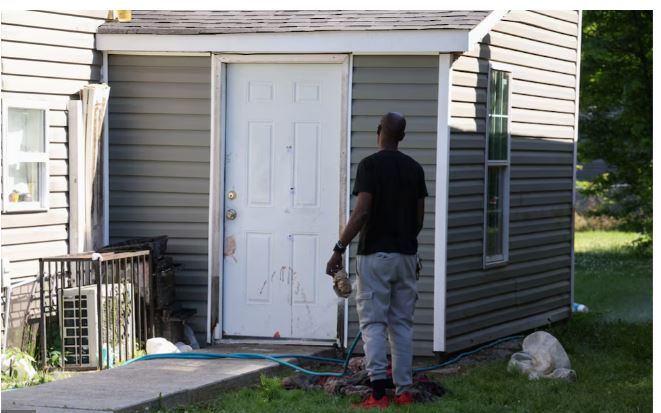
在路易斯安那州的一處普通住宅裡,一場本可避免的悲劇悄然發生。
這類“家庭慘劇”往往並非偶然。它們起於日常——一次爭執、一段
警方的報告或許冷靜而簡短:爭吵升級、使用武器、多人傷亡。鄰居
更令人沉重的是,這些悲劇背後常有跡可循——長期的家庭衝突、未
於是,一個家庭的故事,就此中斷。留下的,是孩子的創傷、親人的
路州的家庭慘劇,不只是地方新聞,而是一面鏡子。它提醒我們:真
當“家”失去溫度,社會便有責任重新點亮它。 在崩潰發生之前,願有人願意傾聽,也有人願意伸手。
Louisiana Family Tragedy: When Silence Breaks a Home
In a quiet neighborhood in Louisiana, a family’s life is shattered in a single night. There is no warning—only the sudden wail of sirens cutting through the darkness, marking the irreversible end of what once seemed ordinary.
These “family tragedies” rarely begin with violence. They begin with silence—unspoken stress, unresolved conflict, and emotional distance. Financial hardship, strained relationships, and mental health struggles build over time, quietly pushing individuals toward a breaking point. And in that one irreversible moment, everything changes.
Police reports often read in stark, clinical terms: an argument escalated, a weapon used, lives lost. Neighbors, in disbelief, repeat the same words: “They seemed normal.” Yet beneath that appearance of normalcy lies a slow and invisible collapse.
What makes these tragedies especially painful is that the warning signs are often there—rising tension, emotional instability, isolation, or cries for help that go unheard. Without access to support or the willingness to seek it, these signals fade into the background until it is too late.
A family is gone. What remains are grieving loved ones, traumatized children, and a community struggling to understand how it happened.
Louisiana’s family tragedies are not just local incidents—they are a reflection of a broader social reality. They remind us that the most dangerous moments are not always the loudest, but the ones that unfold quietly, behind closed doors.
The real question is not what happened—but whether we were willing to listen before it did.
分享到微信
請掃描以上二維碼