






美伊和平在望,中東新時代即將來臨?


分享到微信
請掃描以上二維碼
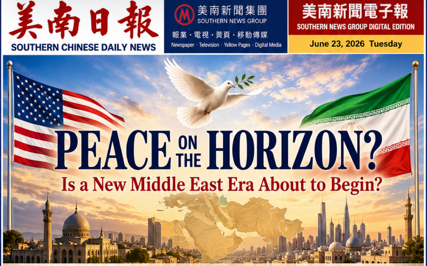
歷經數十年的對抗、制裁與軍事衝突之後,美國與伊朗之間的關係終
根據目前公開資訊,美國已宣布暫時放寬部分對伊朗石油出口的制裁
這項突破性進展不僅有助於降低軍事衝突風險,更使全球能源市場緊
然而,和平之路仍然充滿挑戰。
首先,伊朗核問題尚未獲得最終解決。雙方雖然同意繼續談判,但對
其次,以色列對協議內容仍抱持保留態度。部分中東國家擔心,若協
此外,分析人士指出,目前簽署的僅屬於過渡性框架協議,真正的永
儘管如此,從歷史角度來看,美伊雙方願意重新坐上談判桌,本身已
站在今天的時間點上,我們可以說:
美伊和平尚未真正到來,但和平的曙光已經出現在地平線上。
未來六十天,將是決定中東未來數十年命運的關鍵時刻。如果雙方能
世界正在等待答案,而歷史也正在書寫新的篇章。
Is Peace Between the United States and Iran Finally Within Reach?
June 23, 2026
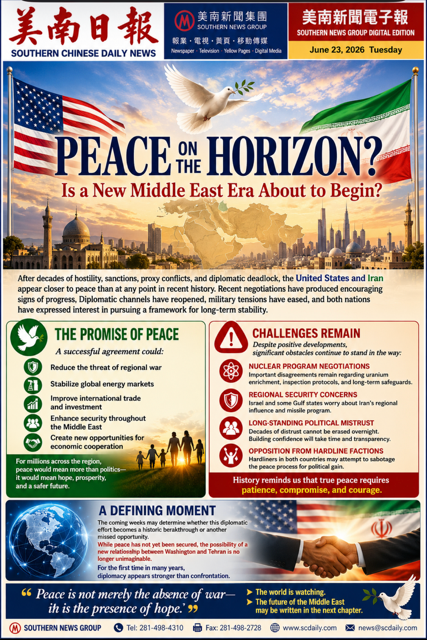
After decades of hostility, economic sanctions, political confrontation, and military tensions, relations between the United States and Iran may be approaching a historic turning point. Recent diplomatic efforts have produced encouraging signs, raising hopes that a new chapter of stability and cooperation could emerge in one of the world’s most volatile regions.
In recent weeks, senior officials from both nations have engaged in direct and indirect negotiations aimed at reducing tensions and establishing a framework for long-term peace. The extension of ceasefire arrangements and renewed diplomatic dialogue have provided the strongest indication in years that both sides are seeking alternatives to conflict.
The potential benefits of a successful agreement are enormous. A reduction in tensions between Washington and Tehran would enhance regional security, stabilize global energy markets, and reduce the risk of military confrontation throughout the Middle East. The reopening of diplomatic channels has already eased concerns among investors and governments around the world.
One particularly significant development is Iran’s willingness to increase cooperation with international nuclear inspectors while the United States has shown openness to limited sanctions relief as part of a broader diplomatic process. These measures suggest that both governments recognize the high cost of continued confrontation and the mutual benefits of compromise.
Nevertheless, substantial obstacles remain.
The nuclear issue continues to be the most difficult challenge. While negotiations have made progress, important disagreements persist regarding uranium enrichment, inspection protocols, and long-term safeguards. Achieving a comprehensive agreement will require difficult concessions from both sides.
Regional concerns also remain a major factor. Several Middle Eastern nations, particularly Israel and some Gulf states, continue to monitor developments closely. Their security concerns and strategic interests will influence the success and durability of any future agreement.
Furthermore, years of mistrust cannot be erased overnight. Decades of political hostility have left deep scars on both sides, and building confidence will require patience, transparency, and sustained diplomatic engagement.
Despite these challenges, the current situation offers more reason for optimism than at any time in recent memory. The fact that leaders are talking rather than threatening, negotiating rather than fighting, represents meaningful progress.
History teaches us that peace is rarely achieved through military strength alone. Lasting peace is built through dialogue, understanding, and a willingness to recognize common interests. The road ahead may still be uncertain, but the direction appears more hopeful than before.
Today, it may be premature to declare that peace has arrived. However, it is fair to say that peace is no longer a distant dream. For the first time in many years, a genuine opportunity exists for the United States and Iran to move beyond conflict and toward coexistence.
The next several weeks may prove decisive. If negotiations succeed, the Middle East could witness one of the most significant diplomatic breakthroughs of the 21st century. If they fail, the region could once again face uncertainty and instability.
For now, the world watches with cautious optimism, hoping that wisdom, diplomacy, and mutual respect will prevail over confrontation and division.
By Wea Lee Southern News Group Houston, Texas June 23, 2026
分享到微信
請掃描以上二維碼