





在休士顿,聆听一位前总理谈世界


分享到微信
請掃描以上二維碼
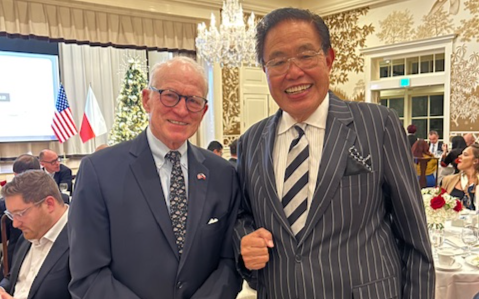
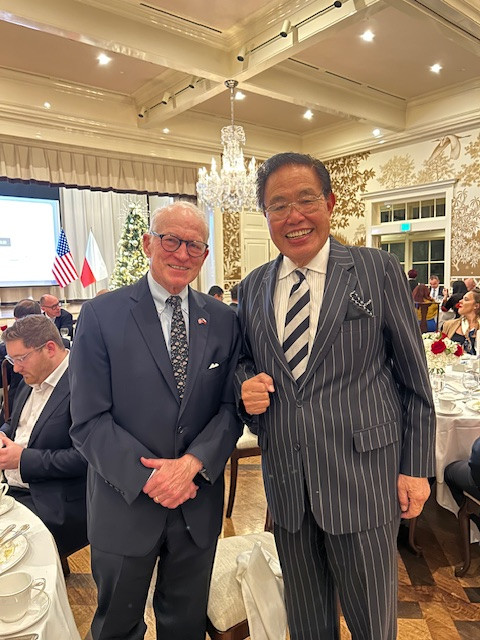
今晚,我来到德州波兰商会(PolChamTX)年会会场。冬夜
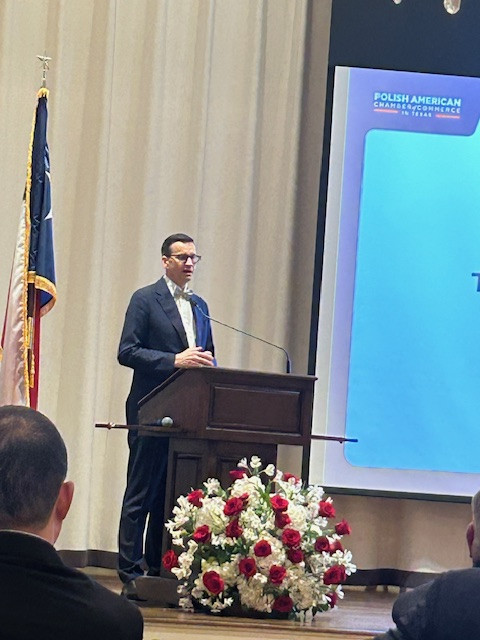
年会正式开始前,最受瞩目的,就是波兰前总理马泰乌什・莫拉维茨
莫拉维茨基从欧洲的安全局势谈起,提到俄乌战争带来的长期冲击,
接着,他把视野拉到跨大西洋关係,谈到波兰和美国之间的合作,特
坐在台下,我一边听,一边想到我们在休士顿这片土地上,所参与的
莫拉维茨基也提到民主与法治的重要。他说,社会可以在政党之间轮
会场裡,有企业家、有外交官、有学者,也有像我一样长期关注国际
年会结束时,宾客们三三两两互相寒暄、交换名片、合影留念。有人
走出会场,夜色已深。抬头看着寧静的德州星空,我心裡浮现一个念
Listening to a Former Prime Minister Talk About the World, in Houston
Tonight I attended the annual gala of the Polish-Texas Chamber of Commerce (PolChamTX). The winter air in Houston carried a slight chill, but inside the ballroom it was bright, warm, and filled with guests whose dress, conversation, and demeanor all reflected an international outlook and strong business ambitions.
Before the gala officially began, the most anticipated moment was the keynote speech by former Polish Prime Minister Mateusz Morawiecki. As he walked onto the stage, the room fell silent. The spotlight fell on him, but it also illuminated the challenges of our time.
Morawiecki began with the security situation in Europe, speaking about the long-term impact of the war in Ukraine, the reorganization of energy supplies, and the importance of NATO and defense cooperation for Europe and the wider world. He emphasized that Poland stands at a geopolitical crossroads—under pressure, yet acutely aware of the value of freedom and security.
He then shifted to the broader transatlantic relationship, discussing cooperation between Poland and the United States, with a special mention of Texas and its critical role in energy, technology, and defense industries. He noted that today’s global trade and investment are not just about cold numbers and contracts, but about how nations share risk and shoulder responsibility with their allies.
Sitting in the audience, I found myself thinking about the international exchanges we participate in here in Houston—Poland, Asia, Latin America, Europe. Different countries and different languages converge in this one city. The waves of global politics eventually show up in very concrete ways: in energy prices, supply chain decisions, immigration policies, and the daily life of our communities.
Morawiecki also spoke about the importance of democracy and the rule of law. A society can rotate power between political parties and debate its policy direction, he said, but if it loses faith in freedom and democracy, then no matter how prosperous its economy or advanced its technology, it will eventually lose its sense of purpose. His words reminded me of my own journey in media and finance: journalism records facts but also guards values; finance moves capital but ultimately rests on trust.
In the hall there were entrepreneurs, diplomats, scholars, and people like me who have long cared about international affairs and community development. Looking at this mix of people, I felt once again that Houston is no longer just a city—it is a miniature global stage. Listening to a former Polish prime minister talk about Europe and the world is, in a way, also a reflection of our own role: we stand at the intersection of energy, immigration, multiculturalism, and international cooperation.
When the gala ended, guests lingered in small groups, exchanging greetings, business cards, and photos. Some discussed future investment plans; others talked about student and professional exchanges; still others wondered about Europe’s future under the shadow of war. These conversations deepened my conviction that truly visionary cities and communities don’t focus only on short-term gain; they place themselves consciously on the larger global chessboard.
By the time I stepped outside, the night was deep and still. Looking up at the quiet Texas sky, one thought came to me: in these turbulent times, being able to hear a voice from Poland here in Houston is itself a meeting point of history. The world may seem divided, but in reality, our destinies are already tightly intertwined.
分享到微信
請掃描以上二維碼