


世界政治版图在改变中


分享到微信
請掃描以上二維碼
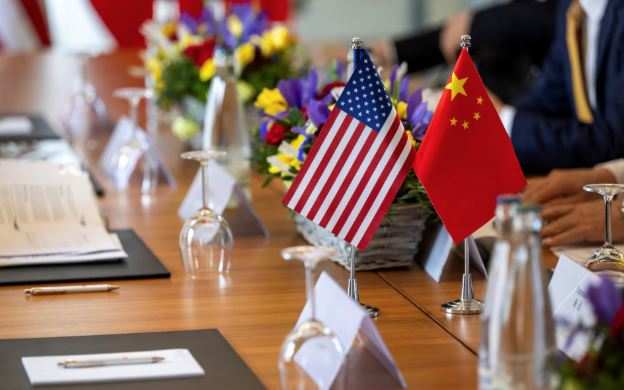
今天的世界,像被一股看不见的力量重新推动。推动它的,不是绘图
有些冲突明明起於一地,却总能沿着宗教、族群、能源、同盟与歷史
而在欧洲的战争阴影仍未散去之际,全球竞争早已超越战场:贸易与
这样的改变,对普通人意味着什麼?
意味着不确定会更久,成本会更高,选择会更难。意味着每个国家都
然而我也相信,未来不是被动接受的结果,而是仍可努力争取的方向
今晚写下这段感想,只想提醒自己:世界的版图正在改变,但人心若
The World’s Political Map Is Shifting
Today, the world feels as if it’s being redrawn—not by ink on paper, but by pressure: pressure from wars that refuse to cool, from economic strain that won’t fully ease, and from societies whose patience is thinning.
We are moving away from a single center of gravity and toward several competing ones. This is not only a struggle for power, but a struggle for rules: Who sets them? Who enforces them? And who benefits when they fracture? In this new era, national security is increasingly shaping decisions that once belonged purely to economics.
Some conflicts may begin in one place, yet spread quickly along the fault lines of history—religion, ethnicity, energy, alliances, and old grievances. Even when leaders claim they “do not want escalation,” the world can become more dangerous, because the spark is often not intention but miscalculation: pride, fear, retaliation, and the speed at which events outrun diplomacy.
Meanwhile, competition now reaches far beyond battlefields. Trade and tariffs, chips and data, energy routes and shipping lanes, finance and sanctions, even cyberspace and space itself—everything is being pulled into a security framework. Globalization no longer feels like a smooth highway. It looks more like a network of checkpoints and detours: restrictions, new alliances, new rivalries, and new fractures.
What does this shifting map mean for ordinary people?
It means uncertainty may last longer than we hoped. It means costs rise, choices narrow, and adaptation becomes a nation’s true strength—through resilient industries, trusted institutions, and a society that holds together when the world pulls apart.
And yet, I still believe the future is not only something we endure. It is something we negotiate, shape, and rebuild. Stability is not a gift. It is constructed—through restraint over pride, through institutions over impulses, and through trust over division.
Tonight, I write this with a sober conviction: the map is changing, but the future still has room for wiser choices.
分享到微信
請掃描以上二維碼