






两位前总统谴责 ICE「暴行」


分享到微信
請掃描以上二維碼
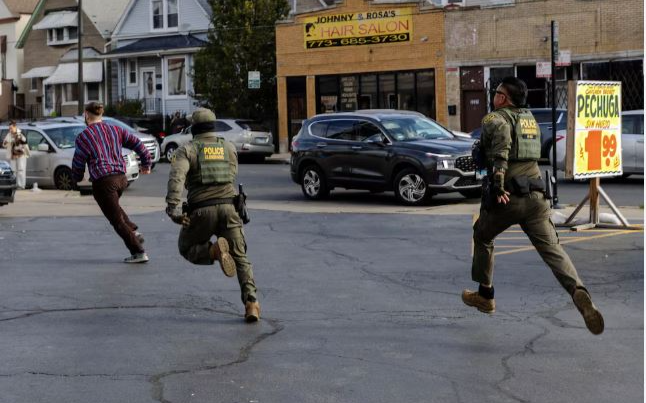
两位前总统谴责 ICE「暴行」:当执法越过红线,国家就必须停下来
明尼阿波利斯的冬天,本就冰冷;但在过去三週,真正让人不寒而慄
根据多家媒体报导,两位前总统巴拉克・欧巴马与比尔・柯林顿先后
两条人命,三週之内
第一起悲剧发生在1月7日。多家报导指出,Renee Nicole Good(37岁,三个孩子的母亲)在明尼阿波利斯遭一名 ICE 人员开枪击毙,引发外界对「致命武力是否被滥用」的质疑。更具争
第二起发生在1月24日(週六)。**Alex Pretti(37岁,ICU 护理师)**在明州另一场联邦移民执法行动周边遭联邦人员枪击死
「叙事」与「影像」之争:社会信任被撕裂
当局强调「自卫」与「威胁」,但多家媒体指出,部分公开影像与官
这正是两位前总统所强调的核心:不是要把「移民议题」简化成左右
「越安全」还是「更危险」?民意正在反扑
事件发酵后,ABC News 汇整的多项民调显示,相当比例选民认為 ICE 的作法「走得太远」,也有不少民眾对政府能否进行公正彻查缺乏信
这不是一场「示威」而已,而是一场「宪政自救」
欧巴马与柯林顿的讯息其实很直接:如果社会把生命的逝去当成「代
今天美国需要的,不是更高分贝的口号,而是更低姿态、更高标準的
• 立即、透明、可受公眾监督的独立调查;
• 清楚界定联邦执法在社区行动的规则与责任;
• 对致命武力与事后处置建立真正有效的问责机制。
因為一个国家的伟大,不在於它能抓到多少人、驱逐多少人,而在於
Two Former Presidents Condemn Deadly Federal Raids in Minneapolis, Demand Accountability After ICE-Linked Shootings
Minneapolis has become the flashpoint of a widening national conflict over immigration enforcement after two deadly shootings tied to federal operations in the city this month—incidents that sparked protests, competing official narratives, and renewed questions about oversight of armed immigration raids.
Over the weekend, former Presidents Barack Obama and Bill Clinton publicly called the Minneapolis deaths a “wake-up call,” urging unity, transparency, and accountability as investigators sort out what happened and why federal agents used lethal force. 
Two deaths in three weeks
The latest death occurred Saturday, January 24, when Alex Pretti, a 37-year-old ICU nurse employed by the Minneapolis VA health system, was shot multiple times by a Department of Homeland Security agent, according to city officials and reporting from local and national outlets. Minneapolis Police Chief Brian O’Hara said Pretti was a U.S. citizen. 
The killing followed the earlier shooting of Renée Nicole Good, also 37, who was fatally shot on January 7 by an ICE officer during a Minneapolis operation. The case drew intense scrutiny after bystander videos circulated and use-of-force experts questioned whether the agent faced an imminent threat. 
Why the public reaction is escalating
What has intensified public anger is not only the deaths themselves, but the perception that federal enforcement has become increasingly militarized while accountability mechanisms lag behind. A Brookings analysis published this week argued that ICE’s growth has “outpaced accountability,” pointing to structural barriers that make meaningful oversight difficult. 
In Good’s case, additional controversy has swirled around the minutes immediately after the shooting. Witnesses told media outlets that federal officers blocked or delayed medical access, an allegation that has prompted calls for an independent review of whether federal policy on post-use-of-force medical aid was followed. 
Reuters, meanwhile, reported that Good’s death could become a major test of legal protections and immunity doctrines that often shield federal officers, underscoring how hard it can be for families to seek redress even when a shooting appears unjustified to the public. 
Obama and Clinton: “Accountability” as the line in the sand
The former presidents’ message—carried by multiple outlets—does not argue immigration policy in the abstract. Instead, it frames the Minneapolis shootings as a question of government power, public trust, and the rule of law: when armed federal operations unfold in neighborhoods, the public must be able to scrutinize what happened, and authorities must be prepared to discipline wrongdoing.
Their statements also land amid pressure from civil-rights organizations. The NAACP Legal Defense Fund issued a statement condemning Pretti’s killing and calling for action in response to federal law enforcement conduct in Minneapolis. 
What happens next
Key questions remain unresolved:
• What exactly precipitated the shooting of Alex Pretti on January 24, and what do body-camera and bystander videos show? 
• In Renée Good’s case, did federal officers follow required procedures for medical aid, and were public statements consistent with available video evidence? 
• Will investigations be conducted with sufficient independence to restore community trust—especially given the broader legal hurdles around suing federal officers? 
For Minneapolis residents—and increasingly for the country—the argument is shifting from politics to principle: even in the most heated national debates, lethal force in a neighborhood street cannot be the price of doing business. If the United States expects communities to respect the law, federal agencies must show—clearly, transparently, and in public—that they do as well.
分享到微信
請掃描以上二維碼