






美以继续向伊朗轰炸


分享到微信
請掃描以上二維碼
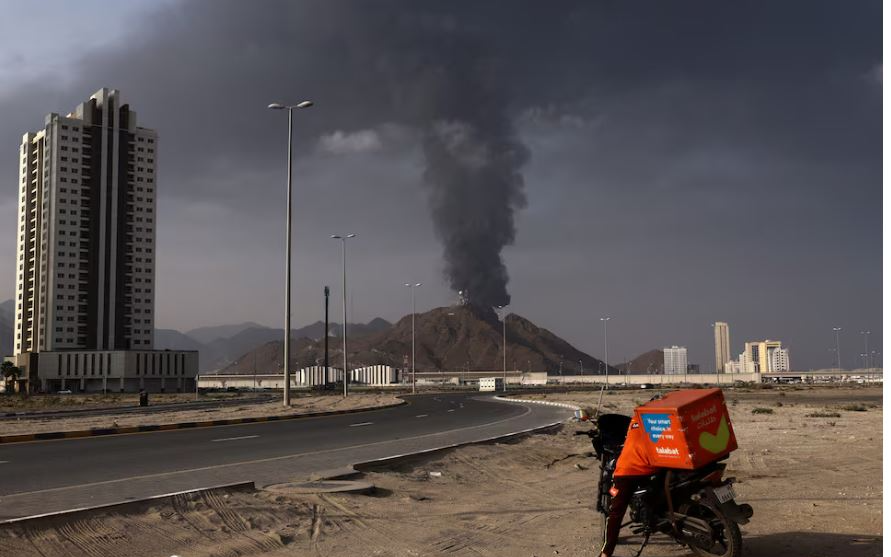
中东局势再度升温。战火的光芒在夜空中闪烁,爆炸声撕裂沉寂,地
据国际媒体报导,Israel持续对Iran境内军事设施发动精
这不仅是一次军事行动,而是一场战略讯号的释放。
⸻
一、战略逻辑:威慑与反威慑
以色列长期视伊朗核计画為生存威胁。
伊朗则以区域代理势力与飞弹能力作為反制手段。
在「威慑」与「反威慑」的博弈中,任何一次打击都可能触发更大规
双方目前仍维持在「有限冲突」的框架内,但误判风险正在上升。
二、能源与金融市场震盪
中东战火最直接影响的是能源市场。
原油价格迅速上扬,航运保险费率提高,全球股市出现波动。
对於能源重镇如Houston而言,这既是风险,也是机遇。
油价上升可能刺激德州能源產业,但全球经济不确定性同样加大。
三、是否走向全面战争?
目前局势仍处於「可控冲突」阶段。
然而若伊朗选择透过区域盟友扩大回应,或美国直接参战,局势可能
中东向来不是单一战场,而是多方势力交织的棋盘。
任何火花,都可能点燃更广泛的冲突。
四、歷史转折的前夜?
在全球政治版图重组的背景下,这场军事对峙具有更深层意义。
它不只是区域冲突,而是大国秩序与安全架构重塑的一部分。
如果局势升级,全球经济、能源供应与国际金融体系都将承受压力。
若能控制在有限范围内,则可能成為重新谈判与权力再平衡的契机。
结语
战火之下,最无辜的是平民。
在军事战略与国家利益之外,人道与和平仍应是最终目标。
3月3日的夜空,也许只是歷史长河中的一瞬;
但有时,一瞬间,足以改变世界的方向。
The U.S. and Israel Continue Airstrikes on Iran: A Flashpoint in a Changing World Order
The night sky over the Middle East once again glows with the light of explosions. Fighter jets cut through the darkness, radar systems scan the horizon, and tension tightens across the Persian Gulf. Israel has continued targeted strikes on Iranian military sites, while the United States reinforces its regional presence with naval deployments and intelligence coordination.
This is not merely a tactical operation. It is a strategic signal — one that carries implications far beyond the battlefield.
⸻
I. Deterrence and Counter-Deterrence
Israel has long viewed Iran’s missile capabilities and nuclear ambitions as existential threats. For Israel, preemptive action is framed as a matter of survival — preventing adversaries from achieving strategic superiority.
Iran, in turn, has built layered defensive and retaliatory capabilities, including missile systems, drone technologies, and regional proxy networks. Years of shadow conflict — cyber operations, intelligence warfare, and indirect engagements — have preceded this moment.
The current airstrikes are not an isolated escalation. They are the visible continuation of a long-standing confrontation.
The critical question is no longer whether there is conflict — but whether it will expand.
⸻
II. The United States: Support and Strategic Balance
United States maintains significant military assets in the region. Aircraft carrier strike groups patrol nearby waters, and missile defense systems reinforce allied positions. Washington faces a delicate balancing act: demonstrate unwavering support for allies while preventing a broader regional war.
Too little involvement risks undermining deterrence credibility.
Too much involvement risks direct entanglement in another prolonged conflict.
This is strategic arithmetic at its most complex.
⸻
III. Energy Markets and Global Economic Shockwaves
The Middle East is not only a geopolitical arena; it is the heart of global energy flows. Even limited military escalation can trigger sharp movements in oil prices, shipping insurance rates, and financial markets.
Energy volatility impacts inflation, investment flows, and political stability worldwide. For energy hubs such as Houston, rising oil prices may bring short-term economic opportunity — but global instability carries its own risks.
Energy remains one of the most powerful strategic levers in this confrontation.
分享到微信
請掃描以上二維碼