





川普延期摧毁伊朗基建——战争边缘的急剎车


分享到微信
請掃描以上二維碼
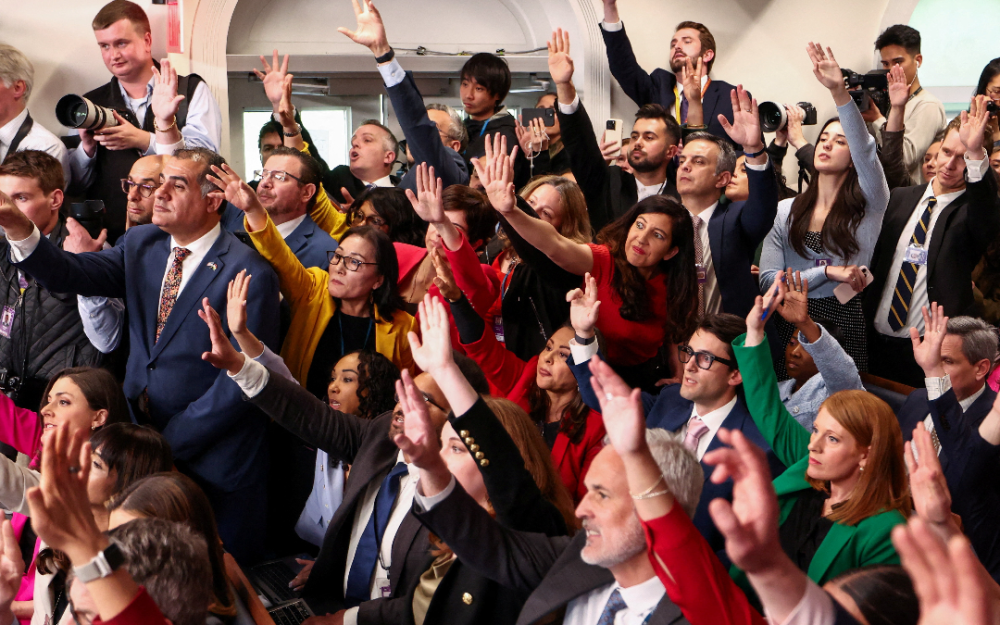
在世界屏息以待的紧张时刻,一场几乎箭在弦上的军事行动,於最后
这一决定,如同在战争悬崖边踩下急剎车,令全球局势瞬间转向,也
然而,这并非出於单一原因的转变。事实上,多重压力在背后交织推
然而,在这短暂的缓和背后,危机并未真正消散。在延期决定之前,
因此,这两週的「延后」,本质上并不是和平的开始,而更像是一段
更深层地看,此次事件揭示出三个令人警醒的现实。其一,能源通道
歷史往往在转瞬之间改写,而此刻,人类或许正站在一个微妙的十字
这两週,可能是一段短暂的喘息,也可能是风暴前最后的寧静。若谈
Trump Delays Destruction of Iran’s Infrastructure — A Sudden Brake at the Edge of War
At a moment when the world stood on edge, a military operation that appeared imminent was abruptly halted. Former U.S. President Donald Trump had been poised to launch large-scale strikes against Iran’s critical infrastructure—bridges, power grids, and energy systems—aimed at crippling the nation’s operational capacity within a short timeframe. Yet, in a dramatic last-minute decision, he announced a two-week delay, opening a narrow window for diplomacy.
This move was nothing short of a sudden brake at the brink of war. What seemed destined to escalate into a full-scale conflict was, at least temporarily, pulled back from the edge.
The reversal, however, did not arise from a single cause. It was the result of converging pressures on multiple fronts. International mediation played a crucial role, with several Middle Eastern and Islamic nations stepping in urgently to prevent escalation and facilitate dialogue. At the same time, Iran signaled a willingness to negotiate, presenting conditions tied to regional security and energy stability—most notably involving the Strait of Hormuz, through which a significant portion of the world’s oil supply flows. Meanwhile, global economic turbulence added further urgency: surging oil prices and volatile financial markets underscored the immense cost of war.
Yet beneath this temporary pause lies a deeper and unresolved danger. Prior to the delay, Washington had openly considered expanding strikes to civilian infrastructure, with rhetoric suggesting the potential dismantling of entire systems. Such intentions have sparked serious legal and moral concerns, raising questions about the erosion of long-standing norms governing warfare.
Thus, this two-week delay should not be mistaken for peace. It is, rather, an intermission in a conflict that has not yet fully unfolded. The United States has paused its offensive posture but maintains strategic pressure. Iran has held back its response while advancing conditional diplomacy. Across the Middle East, military alert levels remain high.
More broadly, this episode reveals three profound shifts in the global order. First, energy corridors have become instruments of geopolitical leverage, with the fate of global markets tied to narrow maritime passages. Second, the boundaries of modern warfare are being tested, as civilian infrastructure becomes a potential target. Third, great-power decision-making is increasingly unpredictable, with last-minute reversals shaping the course of international events.
History often turns in an instant, and at this moment, humanity may be standing at a fragile crossroads.
These two weeks may offer a chance for de-escalation—or merely mark the calm before a greater storm. If negotiations succeed, the world may breathe a temporary sigh of relief. But if they fail, the next decision may not be a delay, but the ignition of a far more devastating conflict.
分享到微信
請掃描以上二維碼