







德州初選代表什麼


分享到微信
請掃描以上二維碼
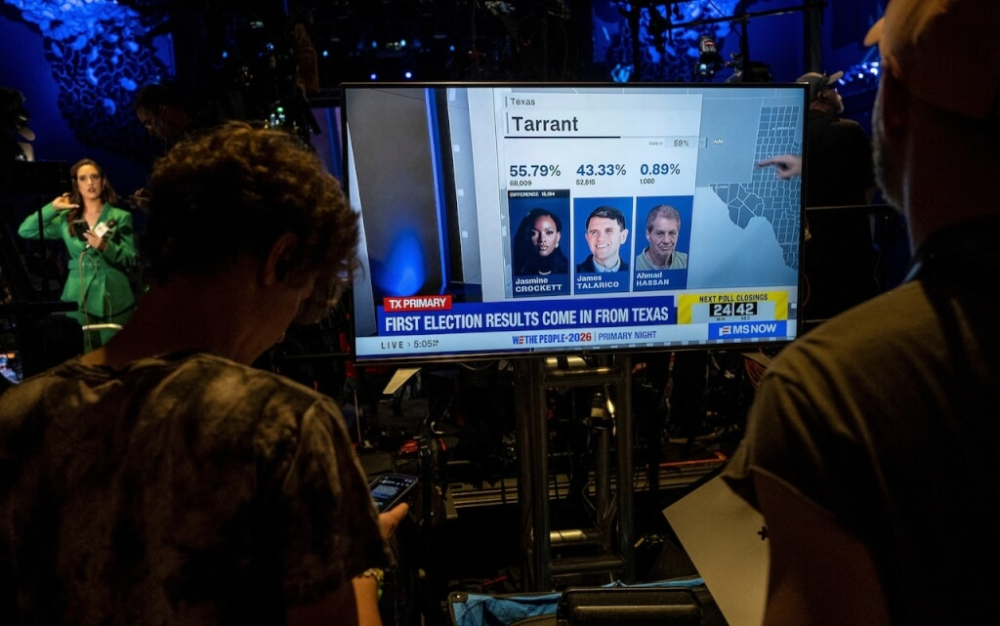
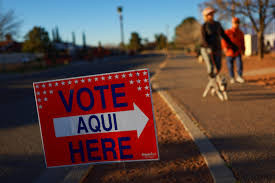
2026年3月4日舉行的德州黨內初選(Texas Primary Election),在全美政治版圖中具有重要意義。這場選舉不
首先,德州初選的主要目的,是由各政黨選出代表參加11月大選的
其次,德州作為美國人口第二多、經濟實力強大的州,其政治影響力
再者,初選也是各政黨內部力量重新洗牌的重要時刻。在共和黨內部
此外,一些國會議員與地方政治人物的選情,也引起外界注意。例如
更重要的是,在德州許多地區,由於某一政黨具有明顯優勢,初選往
總體而言,德州初選不僅是一場黨內競爭,更是一場觀察民意、重組
在當前全球局勢與美國國內政治高度變動的背景下,德州初選的結果
What Does the Texas Primary Election Represent?
The Texas Primary Election held on March 4, 2026, is more than just an internal party voting process. It represents an important stage in the American democratic system and serves as a key indicator of the political direction of the state and the nation.
First, the primary election determines which candidates will represent their political parties in the November general election. In the United States, the two major parties—the Republican Party and the Democratic Party—use primary elections to select their official nominees. Voters participating in the primary are not electing the final officeholders yet; instead, they are choosing which candidate will carry their party’s banner into the general election.
Second, Texas plays a major role in national politics. As one of the most populous and economically powerful states in the country, Texas is often viewed as a political bellwether. The outcomes of its primary elections provide insight into voter priorities on issues such as the economy, immigration, public safety, education, and energy policy.
Third, primary elections often reflect internal shifts within political parties. Different factions—such as conservative versus moderate wings in the Republican Party or progressive versus centrist groups within the Democratic Party—compete intensely during the primary stage. For example, the race involving Texas Agriculture Commissioner Sid Miller has drawn attention from observers who see it as a measure of grassroots conservative support within the Republican Party.
Additionally, elections involving members of Congress and local officials also attract significant attention. Houston-area Congressman Al Green, who represents Texas’s 9th Congressional District, remains an influential political figure whose electoral standing reflects the political dynamics of his community.
In many districts across Texas, where one party holds a strong advantage, the primary election often effectively determines the eventual winner. As a result, candidates invest substantial resources and energy into winning the support of party voters during the primary stage.
Overall, the Texas primary election is not simply an internal party contest. It is a crucial moment for measuring public sentiment, reshaping political leadership, and setting the stage for the November general election. In a time of significant political and global change, the results of Texas’s primaries will continue to influence the broader political landscape of the United States.
分享到微信
請掃描以上二維碼