





白宫讲台上的五天——新闻秘书离职的省思


分享到微信
請掃描以上二維碼
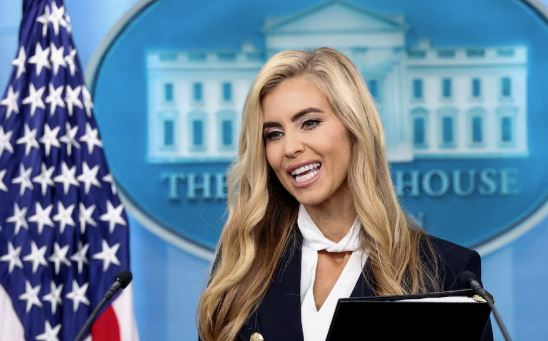
白宫新闻简报室的讲台,是全球最受瞩目的发言平台之一。站在那裡
据路透社报导,白宫新闻秘书凯蒂・扎卡里亚(Katie Zacharia)上任不到一週便遭撤换。她在短暂任期内,面对
从事新闻工作多年,我深深感到,发言人的工作看似只是站在台前回
一个问题,可以回答得漂亮,也可以回答得诚实。两者若能兼具,自
今天的政治传播,受到社群媒体与即时新闻的强烈影响。一段短片、
对於任何一位短暂任职便离开的人,我们不必幸灾乐祸。公眾真正应
这也是我们新闻工作者的功课。报导人事异动,必须分清「辞职」「
白宫的讲台还会迎来新的面孔,但人民对真实资讯的期待不会改变。
Five Days at the White House Podium: Reflections on a Press Secretary’s Departure
The White House briefing room is one of the most closely watched stages in the world. Every statement can become a headline. Every answer can strengthen—or weaken—the public’s trust in government.
According to Reuters, White House Press Secretary Katie Zacharia was dismissed less than a week after taking office, following questions about her legal credentials and criticism of her early performances before the press. Her brief tenure ended almost as quickly as it began. (reuters.com)
Having worked in journalism for many years, I understand that a spokesperson’s responsibilities extend far beyond standing before cameras and answering questions. The job requires preparation, an understanding of policy, and the patience to engage with differing views. A White House press secretary must communicate the president’s position accurately while recognizing that reporters’ questions serve the public’s need for information and accountability.
An answer can be polished, and it can be honest. Ideally, it should be both. But when the facts are incomplete, saying “We are checking” often earns more respect than rushing to offer certainty. Credibility grows through these seemingly small choices.
Today, political communication moves at the speed of social media. A brief video, an ill-chosen phrase, or even a facial expression can travel around the world within minutes. Such conditions demand composure from public officials. They also demand care from those who appoint them: qualifications must be examined, experience assessed, and preparation taken seriously.
There is little value in celebrating someone’s abrupt departure. The more useful questions concern the process behind it. Was the selection thoughtful? Was the preparation sufficient? Were questions about qualifications addressed clearly and promptly?
These questions also carry a lesson for those of us in the news business. When reporting a personnel change, we must distinguish between a resignation and a dismissal. A dramatic headline should never outrun the facts. Commentary may express a viewpoint, but reporting must rest on evidence. Speed cannot replace verification.
The White House podium will welcome another face. The public’s expectation of truthful information will remain.
Five days in office may be brief, but the lesson deserves to endure: authority gives a person a platform; professionalism and integrity give the public a reason to trust what is said.
分享到微信
請掃描以上二維碼