




中东:伊朗战争阴影逼近


分享到微信
請掃描以上二維碼

中东局势正被推向危险边缘。伊朗国内因经济与政治不满引发的抗议
同一时间,外部压力急速升温。白宫公开表示不排除对伊朗动用军事
战争往往不是从宣战开始,而是从误判开始。当街头对立加深、沟通
Middle East: The Risk of an Iran War Is Rising Fast
Tensions around Iran are climbing toward a dangerous tipping point—not because anyone has formally chosen war, but because politics, protests, and military signaling are colliding at the same time.
Inside Iran, nationwide unrest has intensified after a sharp economic shock, with reports of a widening crackdown and mass arrests. Information has become harder to verify as Iran has imposed sweeping communications restrictions and internet blackouts, increasing fear and the odds of rumor-driven escalation. 
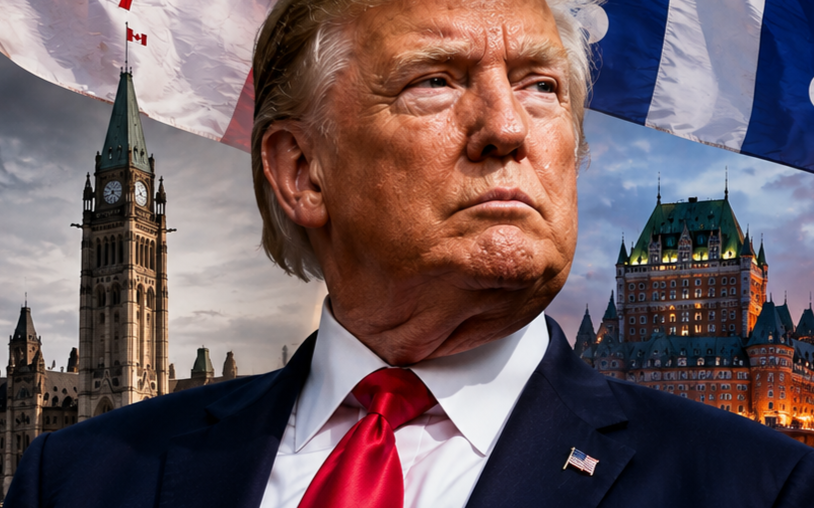
Outside Iran, Washington is raising the temperature. The White House has publicly signaled it is willing to consider military options, while President Donald Trump announced a new pressure move: a 25% tariff on any country doing business with Iran.  Iran’s leadership, meanwhile, says it is “prepared for war” but also open to negotiations—language that can sound like deterrence at home yet read as provocation abroad. 
This is how wars become “one spark away”: a blackout that blinds the world, a crackdown that hardens anger, and external threats that narrow diplomatic exits. If backchannels fail and either side misreads the other’s next move, the region could slide from crisis into open conflict.
分享到微信
請掃描以上二維碼