






点击浏览 休斯顿黄页 电子书
石油价飈涨
2026-03-11
美南报业董事长 李蔚华
4326


分享到微信
請掃描以上二維碼
石油价飈涨
近几日,国际能源市场风云突变,石油价格突然大幅上升,再次震动全球经济神经。中东局势持续恶化,美国与以色列对伊朗的军事行动仍在进行之中,使得原本就紧张的能源供应更加不稳。市场恐慌情绪迅速蔓延,推动国际油价节节攀升。
中东一直是世界最重要的能源產区之一,而伊朗更是全球主要的石油生產国之一。战火一旦逼近石油设施或运输航道,便会引发市场对供应中断的担忧。尤其是霍尔木兹海峡,这条狭窄的海上通道承载着全球约五分之一的石油运输量,被称為世界能源的“咽喉”。任何军事冲突,都可能影响到这条生命线的安全。
正因如此,油价在短时间内迅速上升。能源市场的剧烈波动不仅影响產油国,也冲击着全球经济。石油价格上涨意味着运输成本、製造成本与生活成本全面提高,通货膨胀的压力也随之加重。
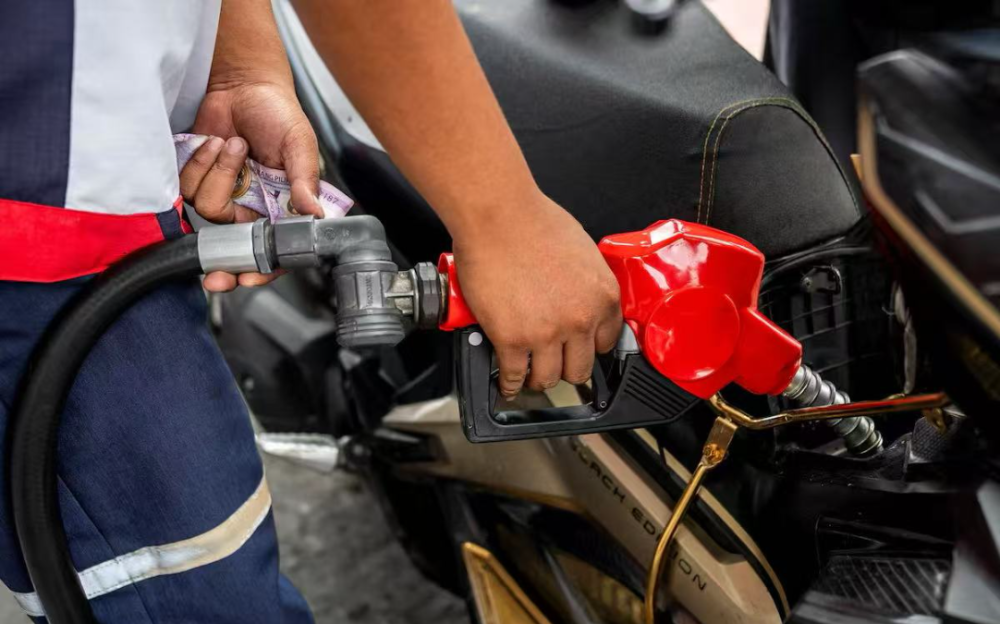
对美国而言,高油价往往是一把双刃剑。一方面,美国本身是重要的能源生產国,高油价可以刺激国内能源產业;另一方面,普通民眾则必须面对汽油与生活成本上升的压力,对整体经济也会造成负担。
歷史一再证明,每当中东局势动盪,油价便会出现剧烈波动。能源与地缘政治始终紧密相连。今天的油价上涨,不仅是一个市场现象,更是一场全球政治与经济力量博弈的结果。
世界正处在一个不确定的时代。能源、安全与战争交织在一起,牵动着各国的战略与利益。未来油价是否继续上升,取决於中东局势是否进一步升级。
然而可以肯定的是,当战火燃起时,首先被震动的往往不是战场,而是整个世界的经济秩序。
Oil Prices Surge
In recent days, global energy markets have been shaken by a sharp surge in oil prices. The escalation of tensions in the Middle East has once again reminded the world how closely energy supply is tied to geopolitical stability. As military conflicts intensify in the region, fears of disrupted oil supplies have quickly spread through international markets, pushing crude prices significantly higher.
The Middle East has long been one of the world’s most important energy-producing regions, and Iran remains a major oil power. Any conflict that threatens oil facilities or transportation routes immediately raises concerns among traders and governments alike. Markets react not only to actual supply disruptions, but also to the possibility that key shipping lanes could be affected.
One of the most critical chokepoints in the global energy system is the Strait of Hormuz, a narrow waterway through which nearly one-fifth of the world’s oil supply passes each day. If military tensions interfere with traffic through this corridor, the consequences for global energy markets could be severe. For this reason, even the slightest threat to the region often triggers dramatic fluctuations in oil prices.
The current rise in oil prices carries significant implications for the global economy. Higher oil prices increase transportation and manufacturing costs, which in turn drive up the prices of goods and services. Inflationary pressure may intensify, affecting both developed and developing economies.
For the United States, rising oil prices present a complex situation. On one hand, as a major energy producer, higher oil prices can benefit domestic oil companies and energy investors. On the other hand, American consumers must cope with higher gasoline prices and rising living expenses, which can slow economic growth.
History has repeatedly shown that whenever the Middle East experiences instability, oil markets react quickly and dramatically. Energy and geopolitics are inseparable forces shaping the global economy. What we are witnessing today is not merely a fluctuation in commodity markets, but a reflection of deeper political tensions unfolding on the world stage.
The future of oil prices will largely depend on how the Middle East situation develops. If tensions escalate further, energy markets may face even greater volatility.
One lesson remains clear: when conflict erupts in key energy regions, the shockwaves are felt far beyond the battlefield, rippling through the entire global economic system.
分享至
分享到微信
請掃描以上二維碼