






霍姆海峡风云


分享到微信
請掃描以上二維碼
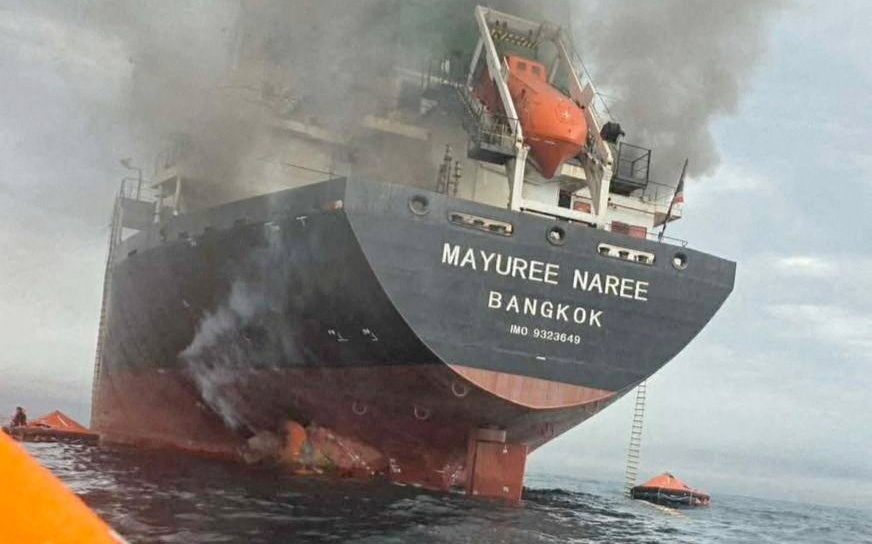
霍姆海峡,这条宽度不大却牵动全球神经的海上咽喉,近来再度成為
霍姆海峡之所以如此敏感,不只是因為它位於波斯湾出口,更因它是
更值得注意的是,这场风云已不只是中东地区的军事问题,而正在演
从市场反应看,投资人最害怕的并不是短暂封锁,而是长尾效应。即
霍姆海峡风云,其实是一面镜子,照见了今日世界的脆弱:一条海峡
Storm over the Strait of Hormuz
The Strait of Hormuz—narrow in geography yet immense in global consequence—has once again become the focal point of international tension. In recent days, escalating confrontation between Iran, the United States, Israel, and Gulf allies has pushed this critical maritime corridor to the brink. Tanker traffic has been disrupted, shipping risks have surged, and global energy markets are reacting with volatility and unease.
This strategic waterway is not merely a regional passage; it is the lifeline of global energy supply. A significant portion of the world’s oil flows through this narrow channel. Any disruption—whether temporary or prolonged—immediately reverberates across oil prices, insurance costs, supply chains, and inflation expectations worldwide. Recent developments have already triggered sharp market responses, with reduced output in parts of the Gulf and rising geopolitical risk premiums driving oil prices upward.
Yet the crisis unfolding in the Strait of Hormuz is more than an energy issue—it is a test of global political alignment and strategic resolve. While the United States has called on its allies to help secure freedom of navigation, key partners such as Japan, Australia, and several European nations have shown hesitation toward direct military involvement. This divergence reveals a deeper reality: even among allies, the appetite for escalation is limited, and the fear of a broader regional war looms large.
From a market perspective, the greatest concern is not a brief interruption, but a prolonged state of instability. Even if tanker movements partially resume, the underlying risks remain. As long as Iran retains the capability to disrupt maritime traffic, elevated shipping costs, insurance premiums, and geopolitical uncertainty will persist. In response, global institutions are already considering measures such as releasing strategic reserves to stabilize supply and calm markets.
The tensions in the Strait of Hormuz serve as a powerful reminder of the fragility of today’s interconnected world. A single chokepoint can influence global prosperity; a regional conflict can ripple through economies far beyond its origin. What unfolds in this narrow stretch of water is not only a regional dispute—it is a defining moment for global order, energy security, and economic resilience.
In the days ahead, whether stability returns to the Strait of Hormuz will be closely watched—not just by governments and markets, but by a world increasingly aware that its future can hinge on the fate of a single passage.
分享到微信
請掃描以上二維碼