






郑丽文主席访问大陆之重大意义


分享到微信
請掃描以上二維碼
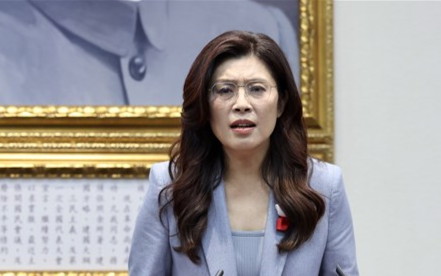
在两岸关係依然紧张、国际局势日益复杂之际,郑丽文主席此行访问
首先,这是一个「重新开啟对话」的重要讯号。近年来,两岸之间交
其次,此行具有高度的战略时机意义。在美中竞争持续升温、地缘政
第三,这也是台湾内部路线与未来方向的一种反映。两岸关係不仅是
最后,这次访问更具有深厚的人文意涵。两岸同根同源,文化相连,
从歷史的长河来看,重大转折往往始於看似平静的一步。一次访问,
在这个动盪的世界裡,任何迈向对话的脚步,都是希望的开始。
The Significance of Chairwoman Cheng Li-wu's Visit to Mainland China
At a time when cross-strait relations remain tense and the global geopolitical landscape grows increasingly complex, Chairwoman Cheng Li-wen's upcoming visit to mainland China carries weight far beyond a routine political exchange. It represents a moment of potential recalibration—subtle, yet symbolically profound.
First, this visit signals a reopening of dialogue. In recent years, communication across the Taiwan Strait has often been marked by caution, mistrust, and political posturing. Cheng's presence on the mainland suggests a willingness—however measured—to reengage. Dialogue, even at its earliest stage, is always the first bridge toward stability.
Second, the timing is critical. With shifting global alliances and heightened U.S.-China competition, Taiwan finds itself at the center of international attention. Cheng's visit may reflect an effort to rebalance positioning—seeking space for pragmatic engagement while navigating external pressures. It is, in essence, a search for equilibrium in an increasingly polarized world.
Third, the visit carries domestic implications within Taiwan. It reflects ongoing debates about identity, security, and economic future. Engagement with the mainland is not merely a diplomatic act; it is a statement about direction—whether to lean toward confrontation, coexistence, or cautious cooperation.
Finally, beyond politics, this visit holds human significance. Across the Taiwan Strait live people bound by history, culture, and shared heritage. Any step that reduces misunderstanding, encourages exchange, or lowers the risk of conflict is meaningful not only for governments, but for millions of ordinary lives.
In the broader sweep of history, such visits may appear small. Yet often, it is these quiet gestures—conversations begun, hands extended—that shape the course of peace.
In a world yearning for stability, even a single step toward dialogue carries the weight of hope.
分享到微信
請掃描以上二維碼