





马英九事件令人遗憾


分享到微信
請掃描以上二維碼
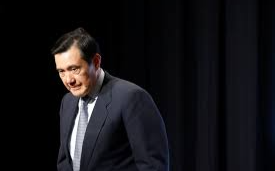
近日,台湾前领导人 马英九 所引发的相关争议,再度牵动两岸与华人社会的敏感神经,也让许多
作為曾经推动两岸和平交流的重要政治人物,马英九过去曾以「和平
然而,在当前两岸局势日益紧张、国际政治风云变幻之际,任何一句
令人遗憾的,不只是事件本身,更是理性讨论空间正在快速缩小。当
两岸之间,无论歷史如何演变,文化血脉与人民情感始终难以切割。
今天的世界充满战争与冲突,从中东到欧洲,动盪局势令人忧心。华
马英九事件,或许只是当前时代洪流中的一个缩影,但它提醒我们:
愿两岸人民都能远离对立,走向理解;愿下一代华人,不再生活於仇
The Ma Ying-jeou Incident Is Deeply Regrettable
The recent controversy surrounding former Taiwanese leader Ma Ying-jeou has once again stirred sensitive emotions across Taiwan, China, and the global Chinese community. For many observers, the situation is deeply regrettable.
As a political figure who once promoted peaceful cross-strait engagement, Ma Ying-jeou emphasized dialogue, cooperation, and stability during his administration. Under his leadership, relations across the Taiwan Strait experienced a period of relative calm, allowing economic exchanges, tourism, educational cooperation, and cultural interaction to flourish. Many people still remember those years as a rare period of stability and hope.
Today, however, the atmosphere surrounding cross-strait relations has become increasingly tense and politically polarized. In such a climate, every public statement, visit, or exchange can quickly become magnified, politicized, and emotionally charged. This reflects not only the fragile state of cross-strait relations, but also the growing divisions within Taiwanese society itself.
What is truly regrettable is not merely the incident alone, but the shrinking space for rational dialogue and mutual understanding. When political ideology overwhelms historical perspective and human connection, society risks losing the ability to communicate with civility and wisdom.
No matter how history evolves, the cultural bonds and shared heritage between people on both sides of the Taiwan Strait remain deeply rooted. Peace continues to be the common hope of ordinary people, and communication remains the most effective way to avoid misunderstanding and conflict. History has repeatedly shown that confrontation only deepens division, while dialogue creates opportunities for reconciliation and progress.
At a time when the world is already facing wars, geopolitical tensions, and economic uncertainty, Chinese communities everywhere should value peace even more deeply. Greater wisdom, tolerance, and restraint are needed—not hatred and endless confrontation.
The Ma Ying-jeou incident may be only one moment in a rapidly changing era, but it serves as an important reminder: cross-strait relations need calmness, wisdom, and above all, a path toward peace.
May the people on both sides of the Taiwan Strait move toward understanding rather than hostility, and may future generations inherit a future built on peace instead of fear.
分享到微信
請掃描以上二維碼