





令人纠结的黄仁勋现象


分享到微信
請掃描以上二維碼
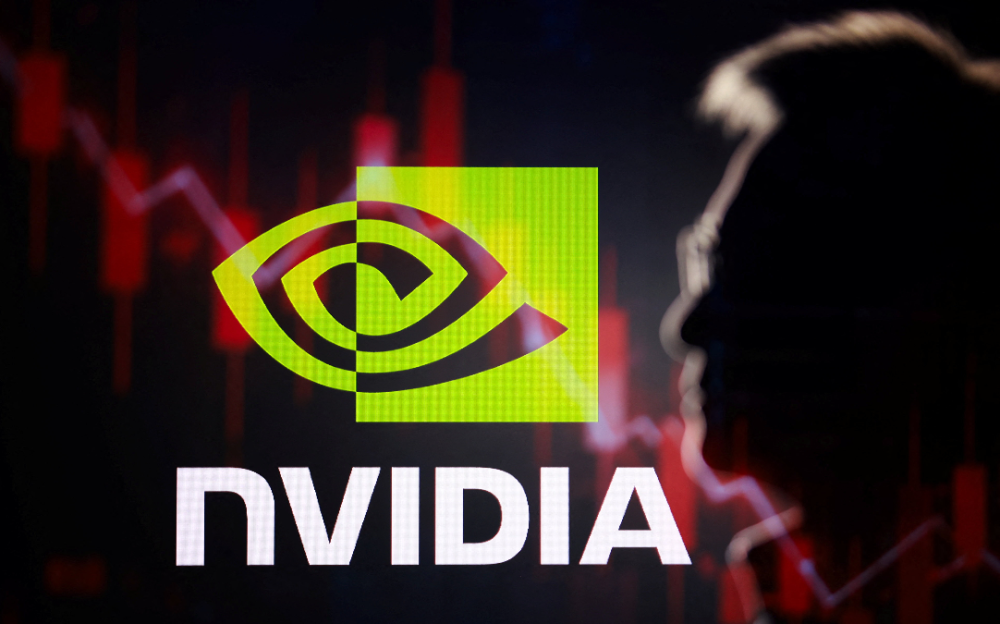
在全球人工智慧浪潮席捲世界的今天,英伟达(NVIDIA)创办人黄仁勋,早已不只是一位成功的企业家,更成為科技创新、企业领导与时代变革的重要象徵。
然而,当一位站在世界科技顶峰的人物陷入争议,社会究竟应该如何评价他的功过?我们又该如何在个人声誉、企业责任与员工情感之间,寻找一个公平而理性的答案?
近日,有关黄仁勋去留的消息引发讨论。尤其是传出有一千六百位英伟达员工联名,希望他继续留任,更使这场风波增添了令人纠结的人情与企业治理问题。
这不仅是一个人的去留问题,更是一个值得我们深思的时代课题。
一、从科技英雄到争议人物
黄仁勋自1993年创立英伟达以来,带领公司从图形晶片製造商,成长為全球人工智慧產业的重要推动力量。
然而,英伟达於11月12日正式宣布,黄仁勋辞去执行长、总裁及董事职务,由财务长Colette Kress暂代执行长。
一位曾经创造企业奇蹟的领导人,竟然在事业高峰之际离开自己一手创立的公司,怎能不令人感慨?
二、一千六百则留言背后的情感
根据《WIRED》11月12日报导,英伟达内部一篇呼吁董事会重视员工意见的文章,已经收到超过一千六百则留言,其中多数支持黄仁勋重新出任执行长。
必须说明的是,目前证实的是超过一千六百则留言,而不是一千六百位员工正式签署联名信。
WIRED+1
这些留言传达出一个重要讯息:在许多员工心中,黄仁勋不只是一位企业主管,更是一位带领他们共同奋斗、创造歷史的领导者。
他们记得的,不只是今天的争议,更是过去三十多年一起走过的艰难岁月。
这份情感,值得社会倾听。
三、功绩与错误,应该如何衡量?
任何人都不应因為事业成功而享有不受约束的特权。
同样地,一个人多年来对科技、企业及社会所作出的贡献,也不应因為个人争议而被全盘抹去。
黄仁勋已公开承认婚姻上的不忠,并向家人道歉。至於其他涉及公司治理及国家安全的问题,仍应依据事实、调查与适当程序作出判断。
NVIDIA Newsroom+1
我们必须区分个人的道德责任、企业领导责任,以及可能涉及法律的问题。
这三者彼此相关,却不能完全混為一谈。
四、英伟达的未来,考验企业治理智慧
英伟达已不只是一家普通的科技公司。它的发展牵动人工智慧、全球资本市场,以及无数企业的科技投资。
因此,黄仁勋是否重返公司领导职位,不应只取决於支持者的热情,也不能仅凭舆论压力作出决定。
董事会必须尊重员工的声音,同时维护公司制度、股东利益与社会信任。
真正成熟的企业治理,不是忽略人的情感,而是在情感与责任之间找到平衡。
五、给一位创业者重新出发的机会
身為长期从事新闻、金融与企业经营的创业者,我深深了解,创立一家公司需要多少勇气、坚持与牺牲。
企业的成功,从来不是一朝一夕。
一个人能够带领团队三十多年,在无数次竞争与危机中创造世界级企业,这段歷史值得尊重。
但是,尊重成就,不代表免除责任。
给予重新出发的机会,也不代表忽略受到伤害的人。
如果相关事实能够获得充分釐清,责任得到适当承担,那麼社会是否也应保留让一个人重新贡献才华的空间?
这是一个值得我们认真思考的问题。
六、令人纠结的,不只是黄仁勋
今天,真正令人纠结的黄仁勋现象,是我们如何看待一位曾经创造巨大成就、却也犯下错误的人。
我们是否能够既坚持原则,又保有人性的宽容?
是否能够既追求责任,又不否定一个人一生的努力?
黄仁勋的未来,最终仍须由事实、制度及他自己的选择来决定。
但是,这场风波留给世界的问题,远远超过一家公司的执行长去留。
我们可以要求一个人為错误负责,也可以承认他曾经為世界带来的贡献。
我们不应让成功成為逃避责任的理由,也不应让一次人生风暴,成為否定所有成就的唯一标準。
这或许就是黄仁勋现象最令人纠结,也最值得深思的地方。
The Troubling Jensen Huang Phenomenon
November 14, 2026 | Saturday
By Wea H. Lee
Founder, Southern News Group
Chairman, International Trade Center
1. From Technology Icon to a Moment of Crisis
In an era when artificial intelligence is transforming the world, Jensen Huang, the founder of NVIDIA, has become far more than a successful businessman. He represents technological innovation, entrepreneurial determination, and the extraordinary possibilities of the modern digital revolution.
Since founding NVIDIA in 1993, Huang has helped transform a graphics-chip company into one of the most influential forces in artificial intelligence.
Yet today, his leadership and personal reputation have become subjects of intense public discussion.
Reports concerning his departure from NVIDIA have raised difficult questions about personal responsibility, corporate leadership, and the future of a company he spent more than three decades building.
The reported response of approximately 1,600 employees and their expressions of support for Huang have added another emotional dimension to this controversy.
The precise number of employees who formally signed a petition has not been independently verified.
This is no longer simply a question about one executive's future. It is a reflection of the complicated relationship between human achievement, personal mistakes, loyalty, and accountability.
2. The Human Emotions Behind 1,600 Voices
Behind the reported expressions of support lies something deeper than corporate politics.
For many NVIDIA employees, Jensen Huang is not merely a chief executive. He is the founder who guided their company through uncertainty, competition, technological breakthroughs, and extraordinary growth.
They remember the difficult years, the long working hours, the sacrifices, and the shared dreams that eventually helped transform NVIDIA into a global technology leader.
Their loyalty deserves to be heard.
A company is not built by financial capital alone. It is built through trust, relationships, shared purpose, and the belief that people are working together toward something meaningful.
The voices of employees remind us that leadership is not measured only by stock prices or quarterly earnings. It is also measured by the human connections developed over many years.
3. How Should We Judge Great Achievements and Personal Failures?
No individual, regardless of wealth, influence, or accomplishments, should be above accountability.
At the same time, the contributions of a person who has spent decades building an extraordinary enterprise should not automatically be erased by controversy.
We must distinguish between personal moral responsibility, corporate governance, and legal accountability.
These matters may be related, but they are not identical.
A fair society must be capable of recognizing achievement while demanding responsibility.
We should neither excuse wrongdoing because someone is successful nor disregard an entire lifetime of accomplishment because of a single chapter in that person's life.
The challenge is to find justice without abandoning compassion.
4. NVIDIA's Future Is Bigger Than One Individual
NVIDIA is no longer simply a technology company.
Its products and innovations influence artificial intelligence, scientific research, global investment, and the economic strategies of nations.
Therefore, decisions concerning its leadership must be guided by responsible corporate governance, transparency, and the long-term interests of employees, shareholders, and society.
Employee loyalty is important, but it cannot replace the responsibilities of a board of directors.
Likewise, public controversy should not become a substitute for a fair and thorough examination of the facts.
Strong institutions must be capable of balancing human considerations with professional judgment.
That balance will help determine the future of NVIDIA.
5. Should a Great Entrepreneur Be Given Another Opportunity?
As someone who has spent much of my life building businesses in journalism, finance, and international trade, I understand how difficult it is to create an enterprise from almost nothing.
Every successful company represents years of determination, uncertainty, sacrifice, and perseverance.
Jensen Huang's contributions to the development of modern computing and artificial intelligence are undeniable.
His achievements have influenced industries around the world and inspired countless entrepreneurs.
But admiration for achievement must never become an excuse to ignore responsibility.
The more difficult question is whether a person who acknowledges mistakes, accepts appropriate consequences, and demonstrates a genuine commitment to change should be allowed another opportunity to contribute.
I believe this is a question every civilized society must be willing to consider.
Accountability and forgiveness do not have to be enemies.
6. The Real Meaning of the Jensen Huang Phenomenon
What makes the Jensen Huang phenomenon so troubling is not simply the future of one famous entrepreneur.
It is the larger question of how society should judge individuals whose extraordinary accomplishments coexist with human imperfections.
Can we defend moral principles while preserving compassion?
Can we demand accountability without destroying the possibility of redemption?
Can we recognize the contributions of a lifetime without overlooking personal failures?
These are not easy questions.
The reported support from NVIDIA employees suggests that many people continue to see value in Huang's leadership and legacy.
Their sentiments deserve consideration, even as the company and the public examine the circumstances surrounding the controversy.
Ultimately, Jensen Huang's future should be determined by facts, responsible governance, and his own decisions.
But the lessons of this moment extend far beyond Silicon Valley.
We must never allow success to become a shield against accountability. Yet we should never allow controversy alone to erase a lifetime of extraordinary achievement.
A truly mature society must have the wisdom to distinguish between justice and vengeance, between accountability and condemnation, and between human weakness and enduring contribution.
Perhaps that is why the Jensen Huang phenomenon is so deeply troubling.
It reminds us that even the most successful people remain human.
And it challenges us to ask whether our society still possesses the compassion, fairness, and wisdom to recognize both greatness and imperfection.
History should remember not only how high a person has risen, but also how fairly we judge that person when the storms of life arrive.
分享到微信
請掃描以上二維碼


















相关推荐
查看更多