





中美在伊朗对峙


分享到微信
請掃描以上二維碼
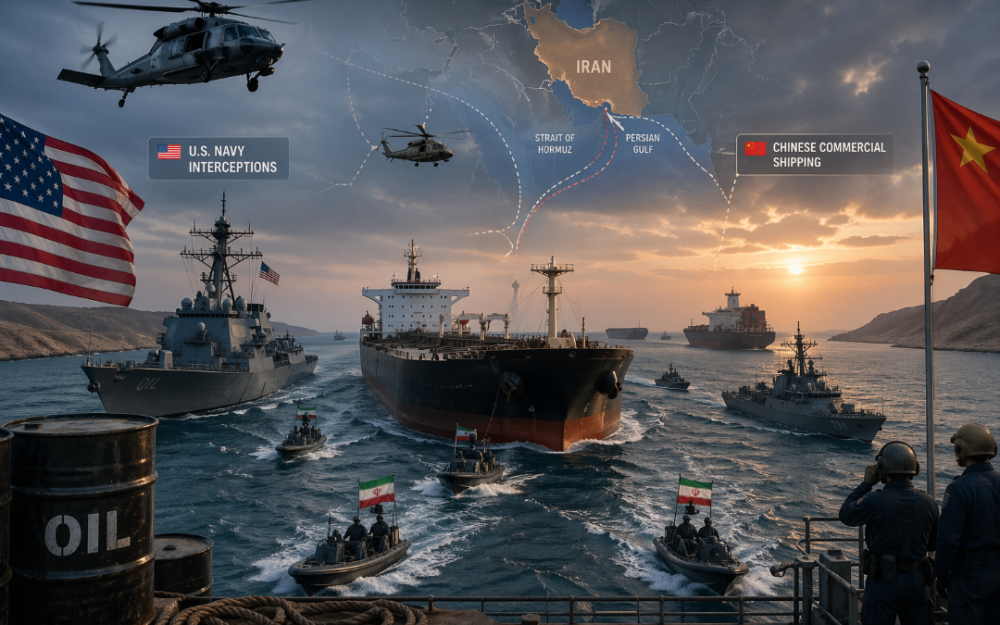
伊朗局势持续升温。美国加强在海上的拦截与军事压力,霍姆兹海峡
中国则採取相对克制的立场,呼吁各方冷静对话,强调维护地区稳定
表面看是美国与伊朗的对峙,实则背后隐含中美两种力量的交锋——
U.S.–China Tensions Amid Iran Standoff
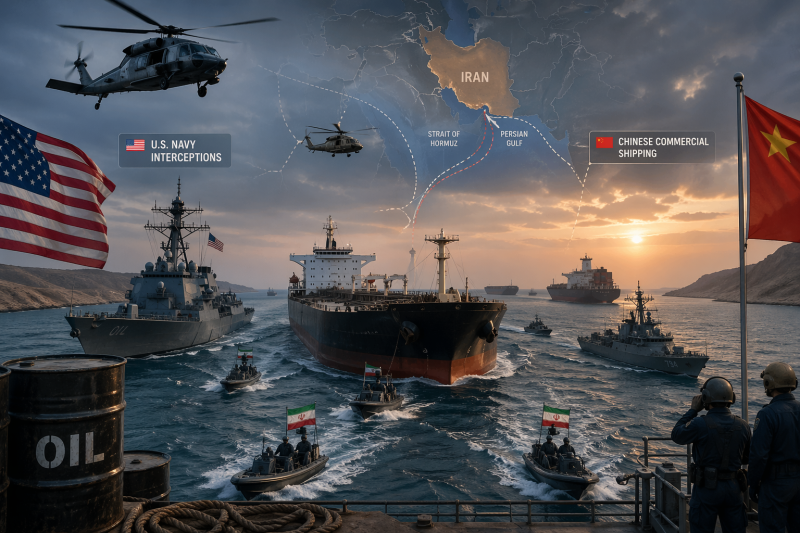
Tensions around Iran continue to rise. The United States has intensified maritime interceptions and military pressure, while disruptions in the Strait of Hormuz are tightening global energy markets. Oil shipments and strategic waterways have once again placed the Middle East at the center of global concern.
China, by contrast, has taken a more restrained stance, calling for calm, dialogue, and the protection of regional stability and energy routes. As a nation heavily reliant on Middle Eastern energy and global trade flows, any escalation poses risks far beyond the region.
On the surface, this appears to be a U.S.–Iran confrontation. In reality, it reflects a broader strategic rivalry between the United States and China—one emphasizing power and sanctions, the other stability and cooperation. Iran is no longer just a regional flashpoint, but an emerging frontline in great-power competition.
分享到微信
請掃描以上二維碼