




美國3月大增17.8萬名就業人口 失業率略降至4.3%
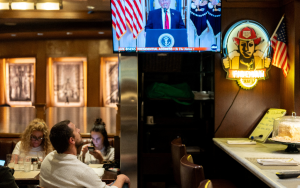
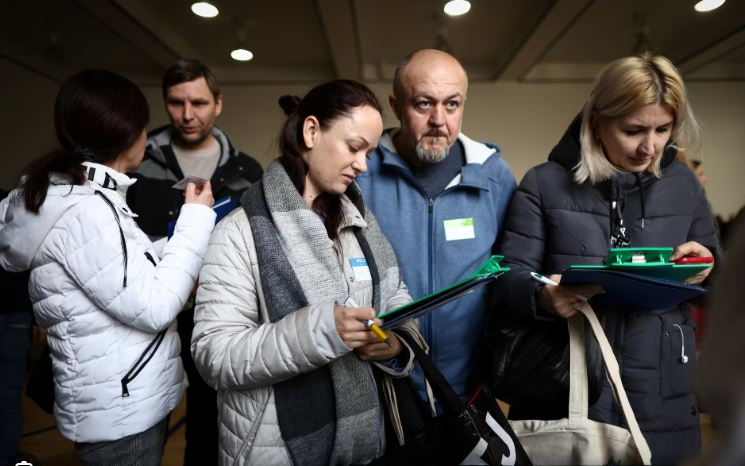
(中央社華盛頓3日綜合外電報導)美國勞工部今天公布,3月美國增加17萬8000名就業人口,增幅高達經濟學家預期的3倍之多,且一反2月減少13萬3000名就業人口的低迷狀態。失業率也由2月的4.4%略降至4.3%。美聯社報導,美國3月增加的就業人口當中,有7萬6400人是在醫療照護產業,其中包括凱薩醫療機構(Kaiser Permanente)有3萬1000名員工的罷工在2月結束後重返工作崗位。美國製造業3月則增加1萬5000名就業人口,建築業更增加2萬6000名就業人口,原因很可能包括天氣轉暖。不過,3月美國失業率下降,一部分是因為包含在職與求職者的勞動力減少了39萬6000人,使得競爭工作機會的人變少。美國勞工部的資料還顯示,3月美國平均時薪較2月增加0.2%,並較去年同月成長3.5%,這與美國聯邦準備理事會(Fed)定下的通貨膨脹率目標2%相距不遠。
守住血管生命線:從餐桌開始的天然抗血栓策略
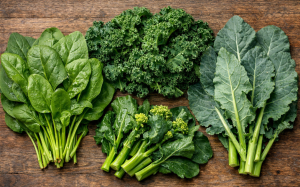
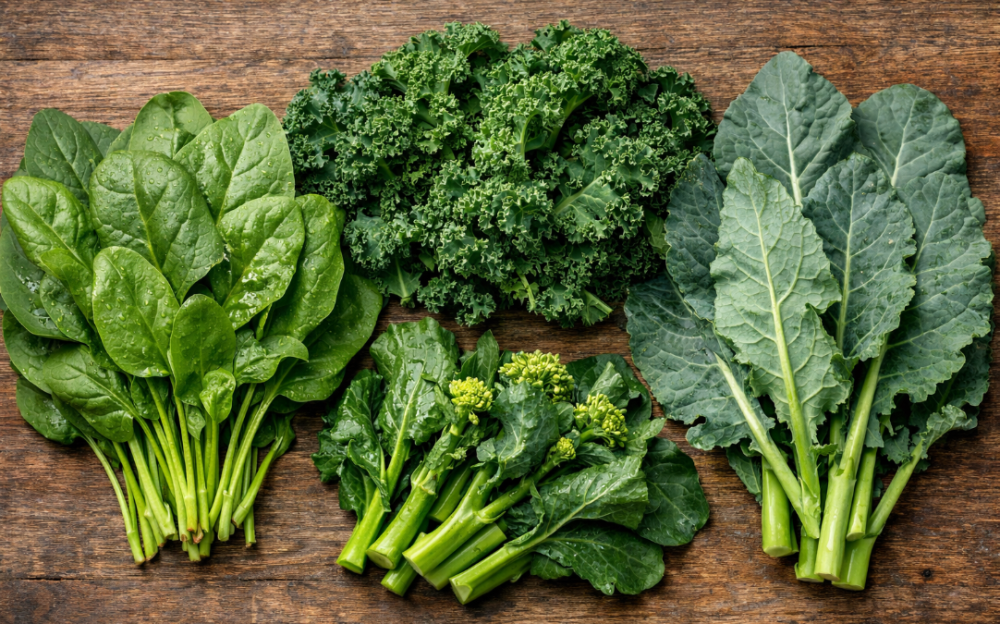
維生素K與天然食材如何協同作用,幫助穩定血液循環 (美南新聞韋霓特稿) 在現代社會中,血栓已成為心血管疾病的重要隱形殺手。無論是腦中風、心肌梗塞,還是深層靜脈栓塞,其核心問題往往與血液凝固失衡有關。許多人第一時間會想到藥物治療,但其實,日常飲食中有一類被低估的力量——綠葉蔬菜與天然食物,正默默在維持血液健康的平衡。這不只是「多吃蔬菜」的簡單建議,而是涉及一整套與營養、血液凝固機制、以及慢性發炎相關的科學基礎。維生素
在台北拜訪鄭麗文主席
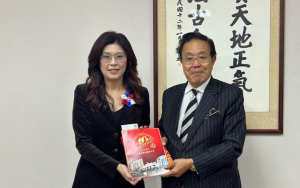
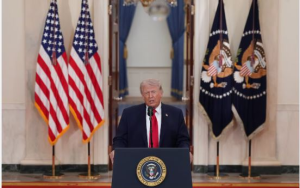
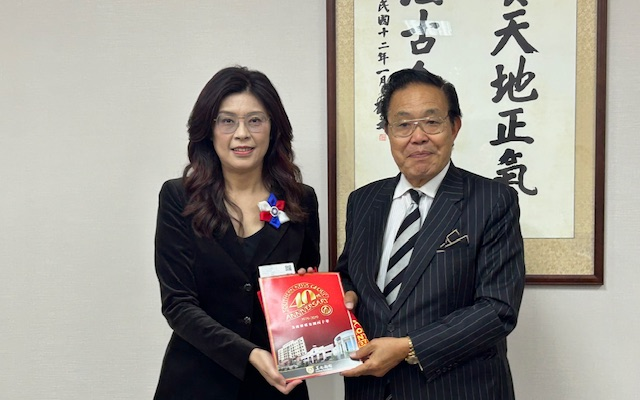
台北與鄭麗文主席的相見,是一場帶著時代氣息的不尋常會晤。走進中國國民黨中央黨部,長廊之中,人來人往,年輕幹部的身影穿梭其間,步伐輕快,神情篤定。這個歷經百年風霜的政黨,似乎正在悄然蛻變——不再只是歷史的承載者,更在尋找未來的方向。空氣中彷彿交織著過去與現在。那些沉重的歷史記憶,與新一代的理想與抱負,在這條長廊裡交會、碰撞。讓人不禁感慨:時代在前行,政黨也在重塑自己。鄭主席神情沉穩,談吐之間透露出清晰的戰略視野。她即將於四月七日訪問大陸,並與習近平主席會面。這一行程,不僅是一場個人的出訪,更可能成為兩岸關係中一個值得關注的節點。在當前複雜多變的國際局勢之下,每一次跨越海峽的對話,都承載著更多期待與不確定。或許,真正重要的,不只是會面的本身,而是在歷史洪流之中,人們是否仍願意為溝通與理解,留下空間。這一刻,站在台北的土地上,回望與前行交錯,我深深感受到——歷史未曾遠去,而未來,正在悄然書寫。Meeting Cheng Li-wen in Taipei was no ordinary encounter—it carried the weight
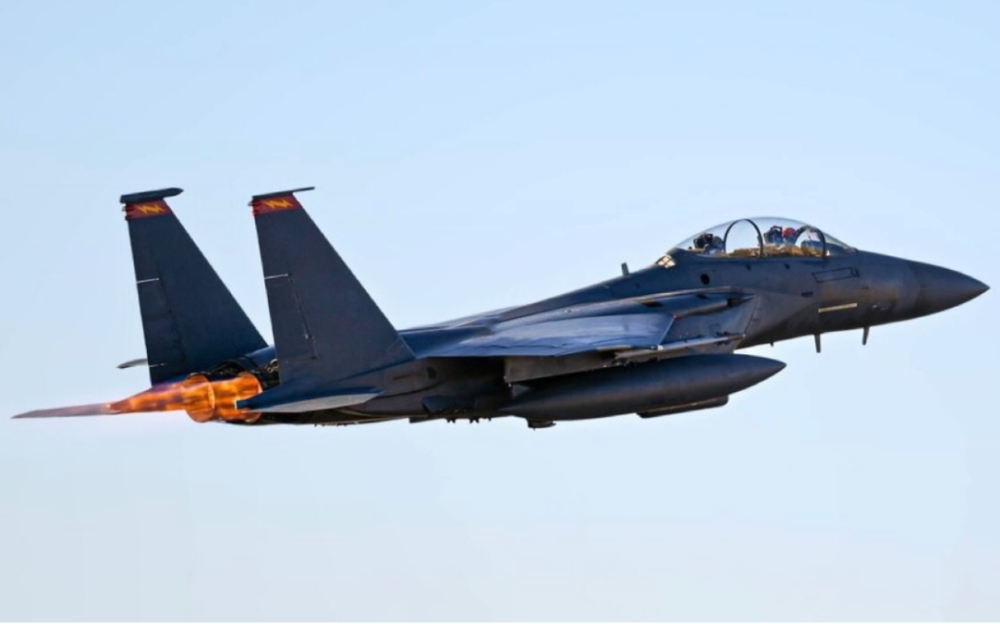
伊朗擊落美軍戰機引爆沖突新拐點 美伊戰爭進入高風險升級階段
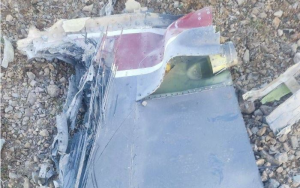
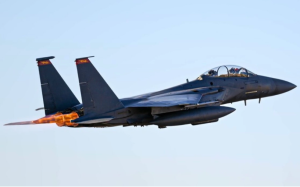
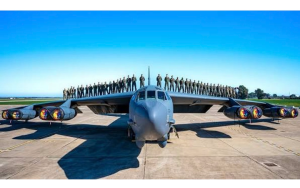
【美南新聞泉深】在持續五周的美伊軍事沖突中,一起前所未有的事件驟然打破原有戰場平衡。根據路透社4月3日報道,伊朗軍方當天成功擊落一架美國戰鬥機,這是本輪戰爭爆發以來首次確認有美軍有人戰機被敵方擊落,標志著沖突正式邁入更危險階段。這一事件不僅在軍事層面具有象征性意義,更在政治與心理層面産生強烈震蕩——美國“空中絕對優勢”的敘事首次遭到實質性挑戰。一、關鍵事件還原:戰機被擊落 搜救行動生死未蔔
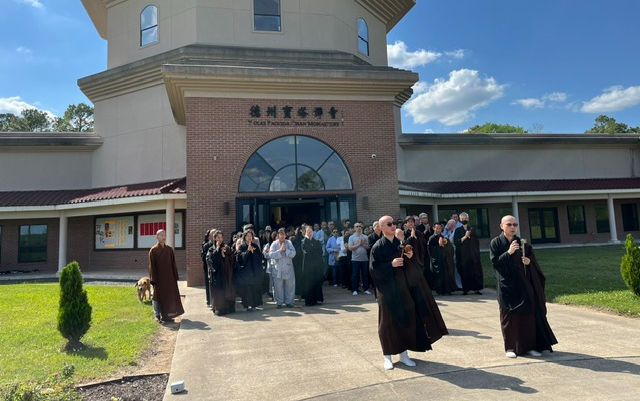
德州寶塔禪寺清明報恩地藏法會 於週日上午九時半至下午四時盛大舉行
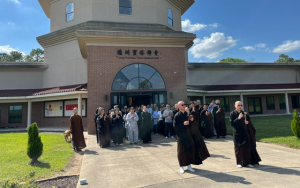
(休士頓/秦鴻鈞報導)中台山、德州寶塔禪寺秉持佛法慈悲濟世的精神,及發揚忠孝倫理及慎終追遠的優良傳統,於清明節前週日(3月29日)上午9:30至下午4時盛大舉行舉行清明報恩地藏法會,藉佛、法、僧三寶的慈悲加持及與會大眾恭誦地藏經、懺悔、發願的清淨功德,迴向災難平息,祖先及亡靈超生淨土,陽上福慧增長,社會祥和,世界和平。此次法會並與已報名並隨喜發心供養的居士結緣一個“闔府消災祈福”的牌位;和結緣一個“三合一綜合超薦”牌位為歷代宗親師長、累劫冤親債主、九幽十類孤魂超薦回向。 當天課程極為緊湊,上午9:30起,供誦地藏菩薩本願經(卷上)及舉行消災法會;上午11時起,舉行佛供及恭誦地藏菩薩本願經(卷中)、主法法師開示及供僧。下午2時起誦地藏菩薩本願經(卷下)及舉行超薦法會。 主法法師見工師在大家朗誦畢的每一段落經文後,作清晰而深入的中、英文開示,令所有與會者更深入了解經藏,受益良多。