






伊朗战火波及全球经济


分享到微信
請掃描以上二維碼
近期中东局势急剧升温,Iran与Israel之间的军事冲突持
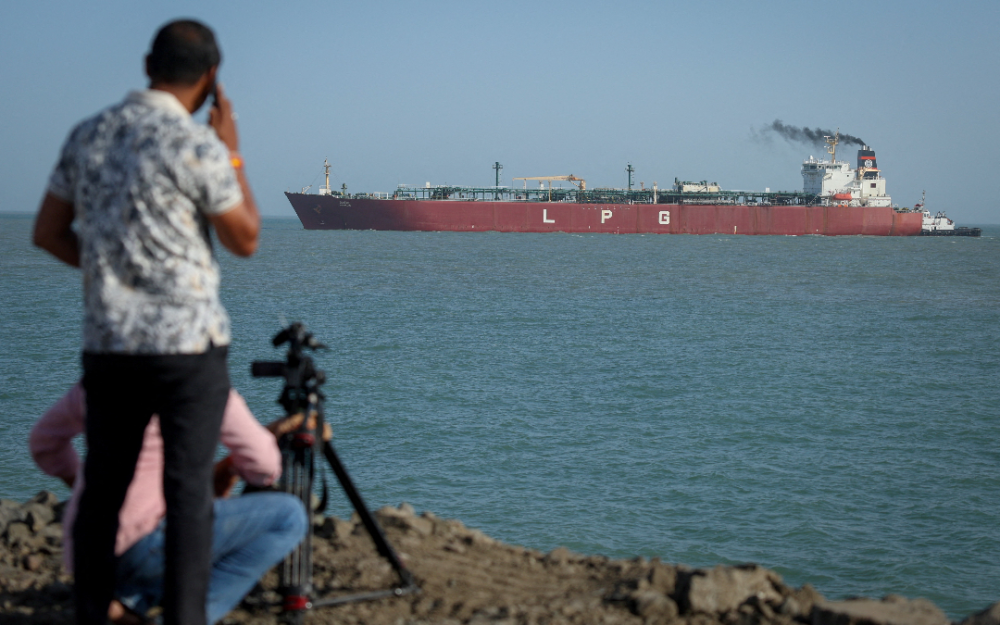
中东地区是全球最重要的能源供应中心之一,尤其是波斯湾航道。每
能源价格上涨往往会带来连锁反应。从航空运输、物流、製造业到普
此外,金融市场也对局势高度敏感。投资人往往在地缘政治冲突升高
更值得关注的是,若冲突扩大并牵动其他国家介入,整个中东地区的
歷史一再证明,战争的代价最终往往由全球人民共同承担。当战火燃
在这个充满不确定性的时代,各国更需要以理性与对话化解冲突。唯
(照片来源:路透社 )
The Iran Conflict and Its Impact on the Global Economy
The escalating conflict in the Middle East has once again drawn the world’s attention. Rising tensions between Iran and Israel are no longer only a regional military confrontation; the ripple effects are increasingly being felt across the global economy.
The Middle East remains one of the world’s most critical energy hubs. A significant portion of the global oil supply passes through the strategic Strait of Hormuz each day. Any military escalation that threatens this vital shipping lane immediately raises concerns about energy security. As a result, global oil prices often surge whenever instability increases in the region.
Higher energy prices trigger a chain reaction across the world economy. Industries that depend heavily on fuel—such as aviation, shipping, manufacturing, and logistics—face rising operational costs. Ultimately, these increased expenses filter down to consumers through higher prices for goods and services, adding new pressure to global inflation.
Financial markets also respond quickly to geopolitical tensions. Investors often shift their capital toward traditional safe-haven assets such as gold and the U.S. dollar. Stock markets tend to become more volatile as uncertainty grows. If the conflict continues or expands, it could slow the fragile economic recovery that many countries are still working to achieve.
There is also a broader strategic concern. Should the conflict draw in additional nations, the political and economic balance of the Middle East could change dramatically. The region is not only a major energy supplier but also a vital bridge connecting Asia, Europe, and Africa. Prolonged instability could disrupt global trade routes and supply chains.
History has repeatedly shown that the consequences of war extend far beyond the battlefield. When conflicts escalate, the economic burden is often shared by people around the world.
In times like these, diplomacy, dialogue, and international cooperation become more important than ever. Only through stability and peace can the global economy continue to move forward and ensure a more secure future for all.
分享到微信
請掃描以上二維碼