






全美航空交通陷入混乱 旅客大规模受阻


分享到微信
請掃描以上二維碼
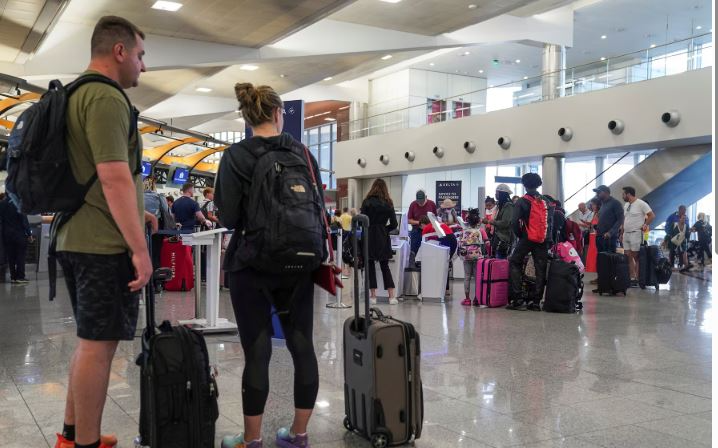
2026年3月20日(星期五),全美各地机场陷入前所未见的混
此次全国性航空乱象,主要由多重因素交织所引发。首先,美国多个
同时,部分航空系统出现间歇性技术故障,进一步拖慢航班调度与地
纽约、芝加哥、亚特兰大与洛杉磯等大型机场成為重灾区,航班延误
专家建议,近期出行旅客应提早抵达机场,密切关注航班资讯,并预
此次全美机场大乱,再次凸显美国航空体系在多重压力下的脆弱性。
Nationwide Airport Chaos Disrupts Travel Across the United States
On Friday, March 20, 2026, airports across the United States were thrown into widespread disruption, leaving thousands of travelers stranded and frustrated. From coast to coast, major hubs reported extensive delays, cancellations, and long security lines, creating what many are calling one of the most chaotic travel days of the year.
The causes of the disruption appear to be multifaceted. Severe weather conditions in key regions triggered a ripple effect throughout the national air traffic system. At the same time, ongoing staffing shortages among air traffic controllers and TSA personnel further strained airport operations.
In addition, intermittent technical issues within aviation systems compounded the delays, slowing down flight coordination and ground operations. Passengers reported waiting hours just to pass through security checkpoints, while departure boards filled with cancellations and rescheduled flights.
Major airports such as those in New York, Chicago, Atlanta, and Los Angeles were particularly affected, with cascading delays impacting connecting flights nationwide. Airlines struggled to recover schedules, and customer service lines were overwhelmed with rebooking requests.
Travel experts are advising passengers to arrive at airports earlier than usual, monitor flight updates closely, and prepare for continued disruptions over the coming days.
This widespread airport chaos highlights the fragility of the nation’s aviation infrastructure, especially when multiple stress factors—weather, staffing, and technology—converge at once.
分享到微信
請掃描以上二維碼