






川普正面临极大挑战


分享到微信
請掃描以上二維碼
2026年的美国政坛,再次风起云涌。
Donald Trump 正站在风暴中央,面对来自司法、政党、选民与国际局势多重交织的
首先,法律战仍在持续。多起案件与争议,使他成為司法与政治交会
其次,共和党内部的结构变化不容忽视。保守派力量依然强大,但党
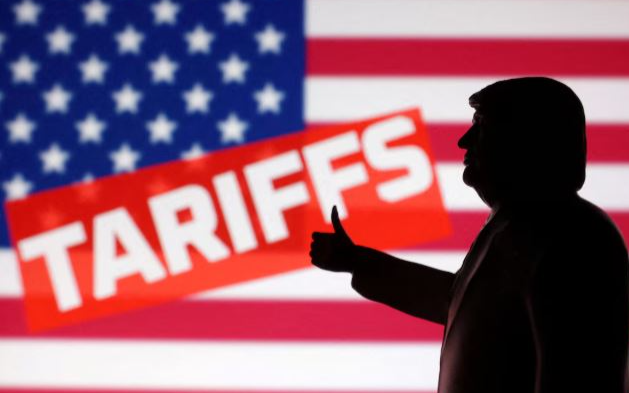
再者,国际局势同样影响着国内政治气候。全球经济波动、贸易政策
然而,这场挑战的本质,或许早已超越个人。川普现象象徵的是一股
风暴尚未平息,方向仍未明朗。
但可以确定的是,2026年的政治舞台,将成為美国未来走向的重
歷史从不在平静中前行。
它总是在挑战与冲突中,刻下新的篇章。
Trump Faces Mounting Challenges
In 2026, the American political landscape is once again charged with tension and uncertainty. Donald Trump stands at the center of a complex storm—one shaped by legal battles, party dynamics, shifting voter coalitions, and global pressures. The challenges he faces today extend far beyond personal political survival; they touch the broader trajectory of American governance and identity.
First, the legal arena continues to cast a long shadow. Ongoing cases and judicial scrutiny have placed Trump at the intersection of law and politics. Supporters view these proceedings as politically motivated efforts to weaken him. Critics argue they represent the proper functioning of the rule of law. Regardless of perspective, the courtroom has become a parallel stage to the campaign trail, shaping public perception and political momentum alike.
Second, internal dynamics within the Republican Party present their own complexities. While Trump maintains a strong and loyal base, generational and ideological differences within the party are increasingly visible. The road ahead will require not only energizing core supporters but also appealing to moderates and independent voters who often determine outcomes in closely contested states. Party unity, therefore, may prove as decisive as public opposition.
Beyond domestic considerations, international developments also weigh heavily. Economic volatility, trade disputes, and geopolitical tensions influence voter sentiment at home. Foreign policy positions—whether framed as assertive nationalism or strategic recalibration—carry political consequences. History suggests that economic stability and national security often outweigh rhetoric in the minds of the electorate.
Ultimately, the challenges facing Trump reflect deeper currents within American society. His political movement represents a powerful strain of populism, skepticism toward established institutions, and a demand for structural change. The nation remains divided over the direction it should take—between global engagement and national prioritization, between institutional continuity and disruptive reform.
The outcome remains uncertain. Yet one truth is clear: 2026 stands as a pivotal moment. The debates unfolding now will shape not only the fate of one leader, but the next chapter of American political history.
History rarely advances in calm waters.
It is forged in moments of tension, challenge, and transformation.
分享到微信
請掃描以上二維碼